
About Her: Doctor Lillian Gilbreth, Inventor of the Kitchen
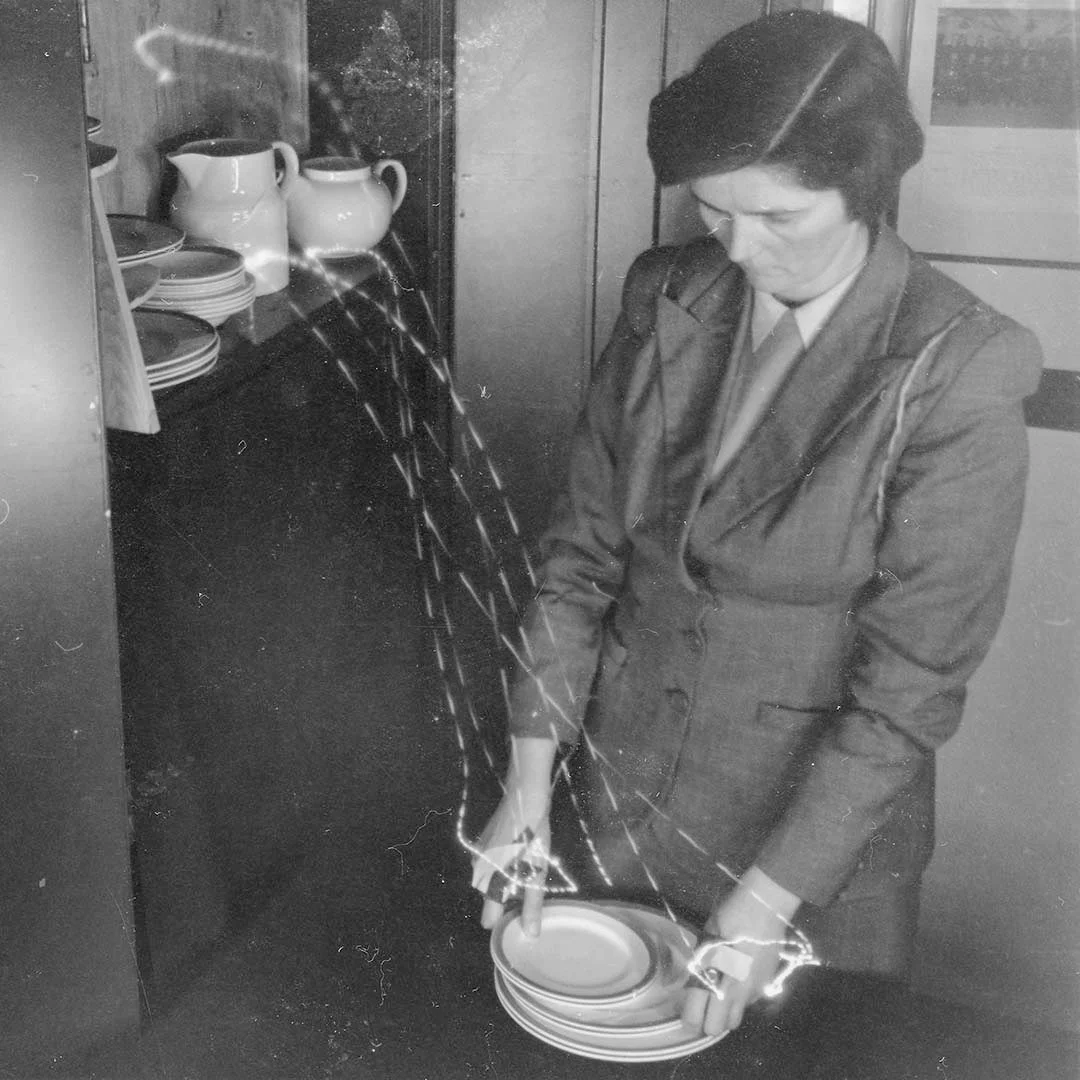
Image Source: Purdue University College of Engineering
Doctor Lillian Moller Gilbreth reshaped the way people work, cook, and move through their homes. As an engineer she helped pioneer modern ergonomics, revolutionised kitchen design through research-backed efficiency, and influenced everything from counter heights, invented the foot-pedal trash can, refrigerator door shelves, and the electric mixer, to the concept of today’s kitchen triangle. She consulted for major companies, advised presidents, and raised twelve children largely on her own after her husband died. She famously could not cook, yet transformed the modern kitchen, and her family life became the basis for the memoir Cheaper by the Dozen, written by two of her children. She advocated for the disabled and for women to have access to spaces and objects that would help improve their quality of life. Her impact shows up in factories, offices, and most of all the home, where her ideas still guide the quiet choreography of daily life.
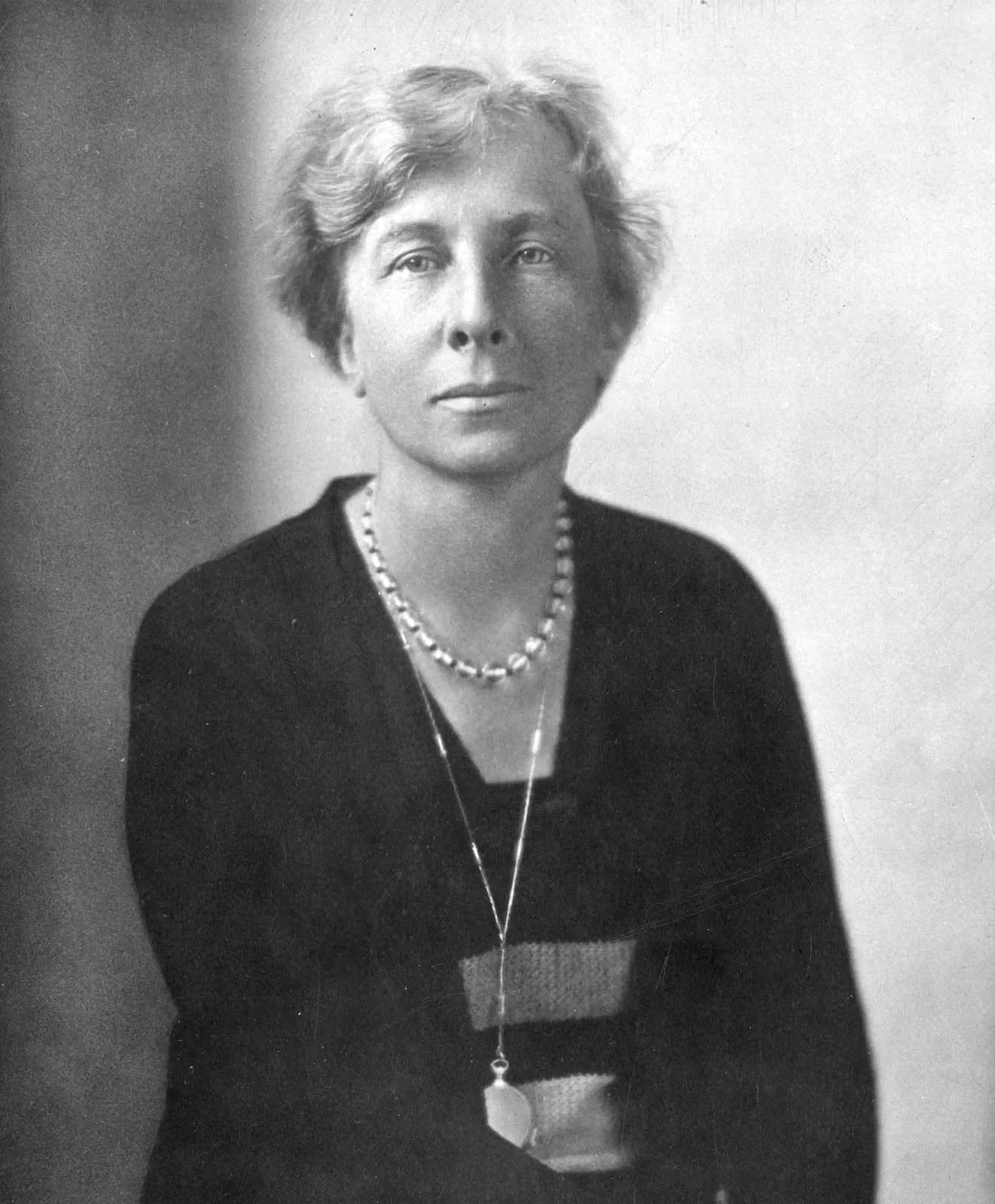
Lillian Gilbreth was born in Oakland, California in 1878, the second of ten children. She was first educated at home, eventually persuading her father to let her attend the University of California for a trial year. Her grades were so strong that he allowed her to continue. She earned degrees from UC Berkeley and later Brown University, becoming the first woman to receive a PhD in industrial psychology.
Image Source: Britannica
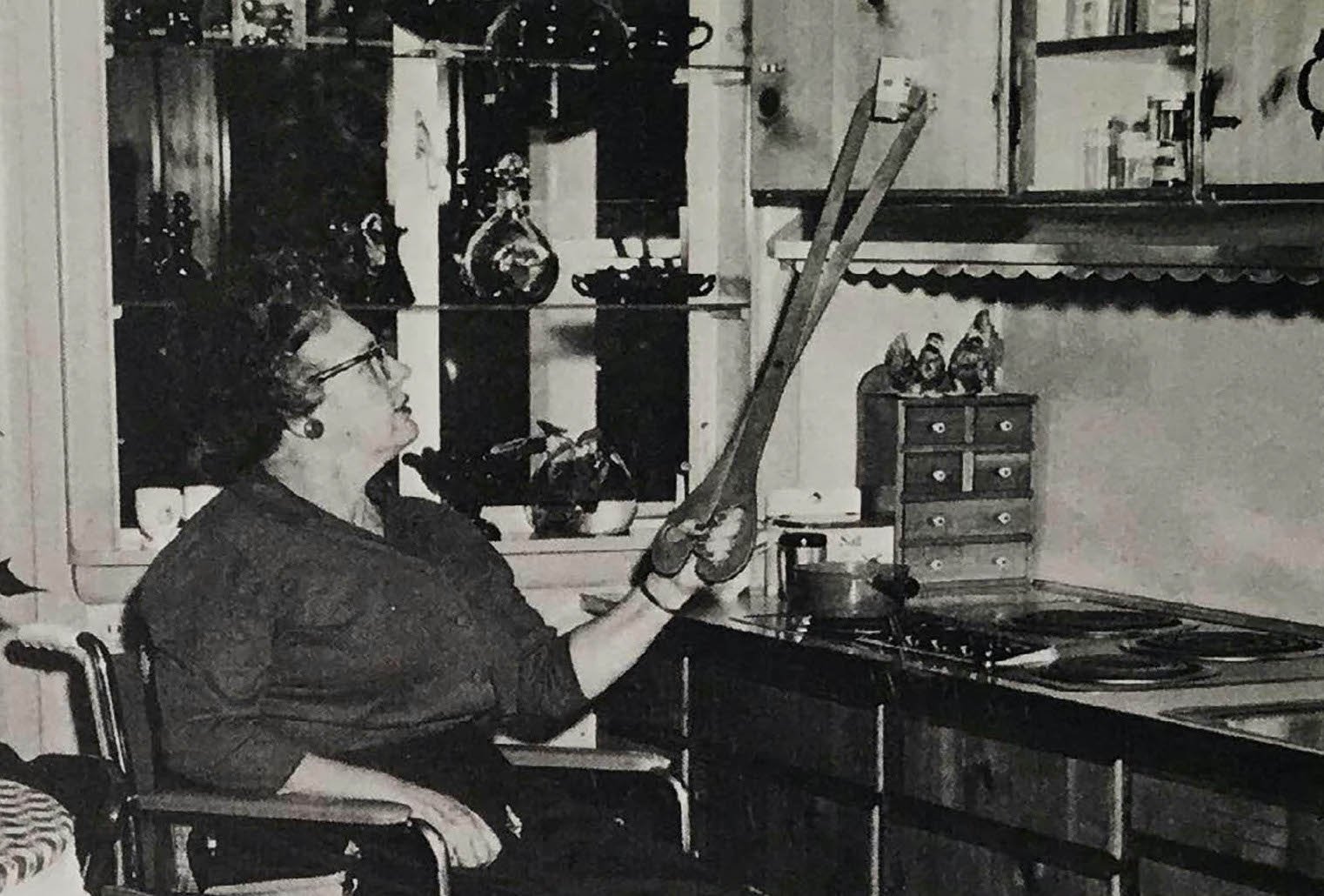
Her career began in factories rather than interiors. Alongside her husband Frank, she helped establish the field of industrial engineering. Gilbreth studied how people lifted, reached, stretched, and tired, and how work could either support the human body or quietly wear it down. The Gilbreths developed the concept of “therbligs,” a near reversal of their last name. Therbligs catalogued the smallest units of movement in any task — search, reach, grasp, transport — allowing them to break down labour with new precision, a concept still used today.
Image Source: The Architectural Review
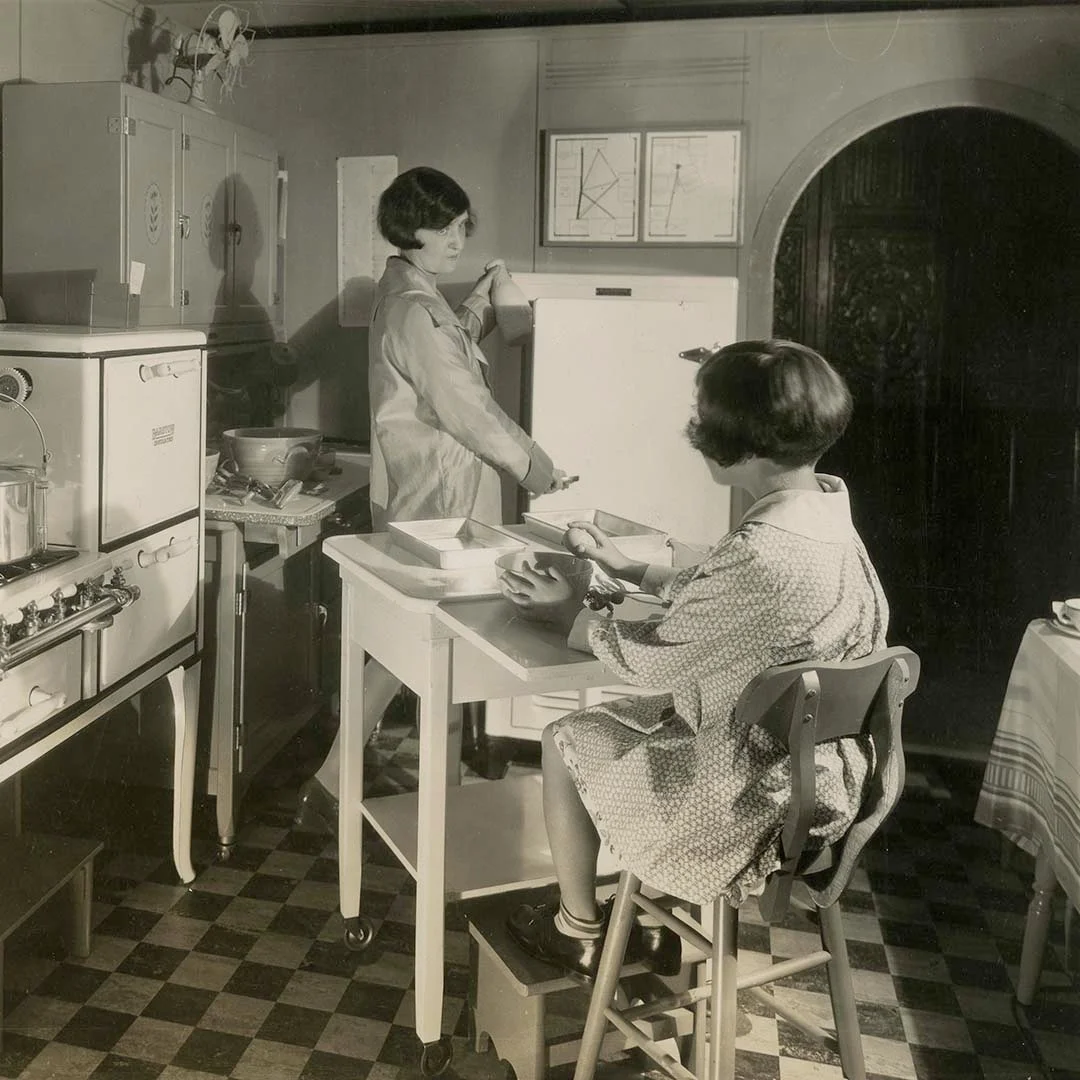
When Frank died suddenly of a heart attack in 1924, Gilbreth was left with eleven surviving children, and several major clients canceled or did not renew their contracts with the firm. She continued the work on her own, writing, teaching, advising industry, and becoming the first female professor at Purdue University. She later taught at several universities including the Newark College of Engineering, the University of Wisconsin, and the University of the Philippines. She also consulted for Macy’s, Sears, and restaurants like the Green Line chain, applying motion study to everything from sandwich preparation to clerical work.
Image Source: Purdue University College of Engineering
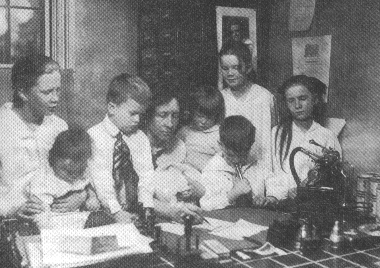
Gilbreth famously applied the principles of her work to her own home, memorialised in the book Cheaper by the Dozen — written by her children Frank B. Gilbreth Jr. and Ernestine Gilbreth Carey. The book didn’t just become a bestseller; it became a film classic too. The original 1950 movie (and its 1952 sequel Belles on Their Toes) portrayed the Gilbreths’ real family life, with Myrna Loy playing Lillian. Later remakes in 2003, 2005, and a 2022 reboot borrowed only the title, turning the story into broad family comedy, but the enduring association kept the Gilbreth name alive in popular culture.
Image Source: The Gilbreth Network
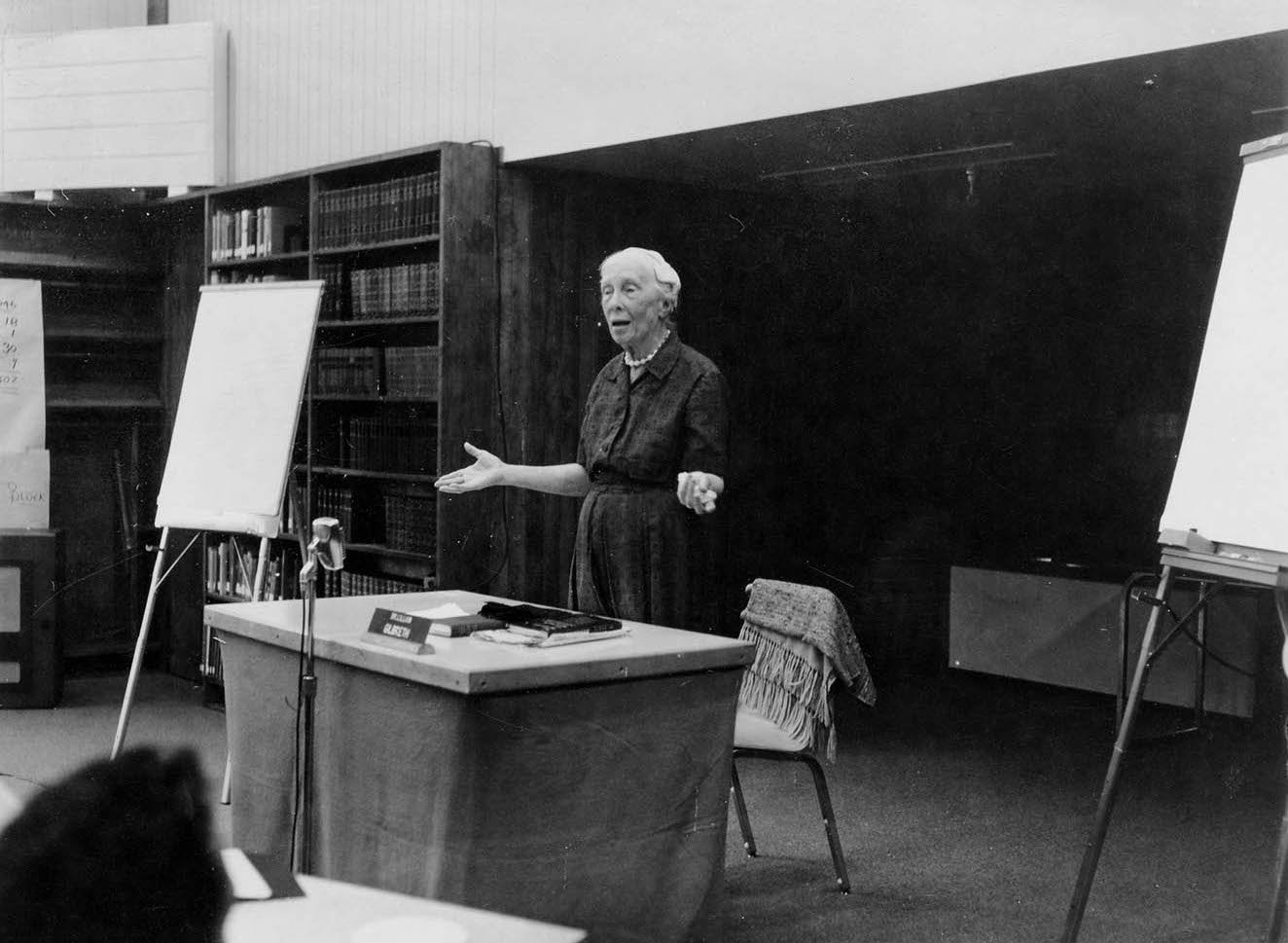
Her most lasting contributions to interior design grew from a single belief: housework is work. Domestic labour deserved the same intelligence and ergonomic care as any industrial task. The kitchen, especially, needed to function as a workspace designed around the person who used it.
Below are three projects she pioneered — and one she designed — that helped shape the modern home as we know it.
Below are four projects she pioneered that helped shape the modern home as we know it.
Image Source: Perdue University College of Engineering
project one: the general electric ergonomic study
United States (1920s to 1930s)
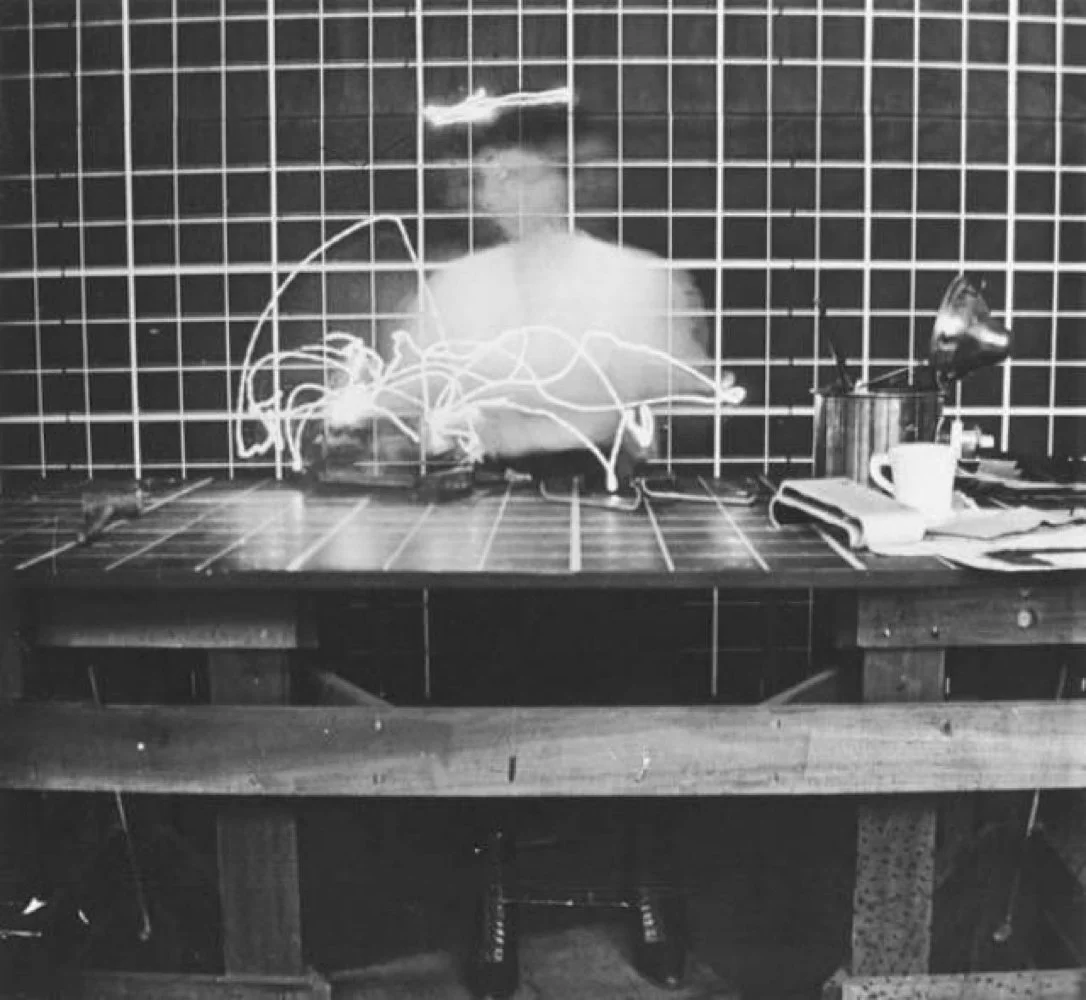
Gilbreth’s partnership with General Electric was one of the earliest large-scale ergonomic studies of the domestic sphere. Most ergonomics and safety research at the time centred on men’s bodies; this study helped shift the kitchen toward a space that all genders could use comfortably and without strain. Her intention was clear: domestic labour was real labour, with real physical consequences, and the kitchen should support the person working inside it rather than exhaust them.
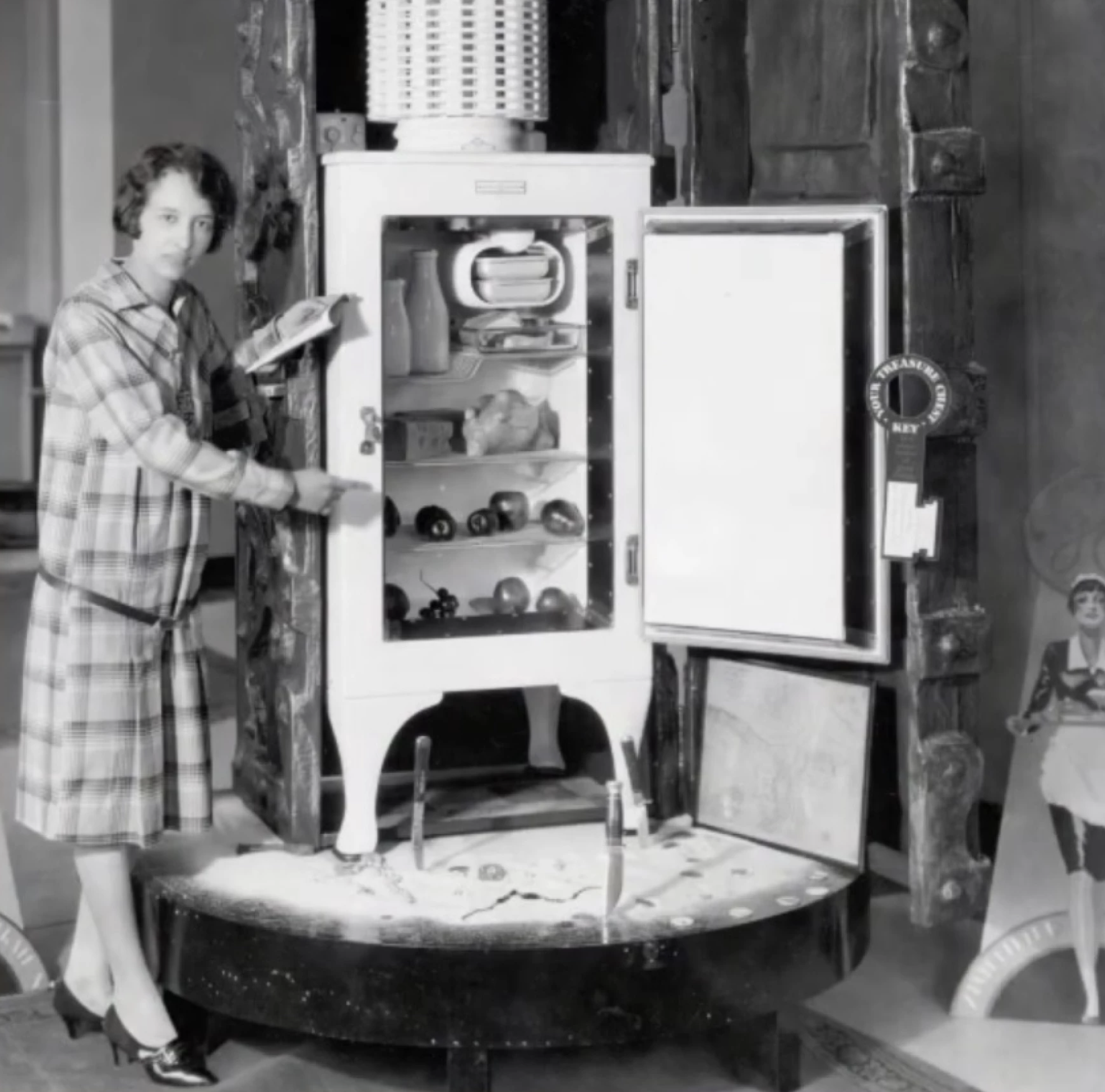
She interviewed more than 4,000 women about how they stood, bent, reached, and moved around their kitchens. Through the new technology of film in a series motion studies, she recorded how many times they leaned forward at the stove, how the height of a counter changed their posture, and when a sink demanded awkward angles or unnecessary stretching. She studied where pots were stored, how far one had to travel with a pan of boiling water, and the cumulative fatigue created by poor placement alone.
Her process involved observing not just motion but discomfort. She applied her earlier research on industrial fatigue and motion study to understand when a kitchen layout made a task harder than it needed to be. The aim was not speed for its own sake but to create a kitchen “that fit the woman.”
Image Source: Purdue University College of Engineering
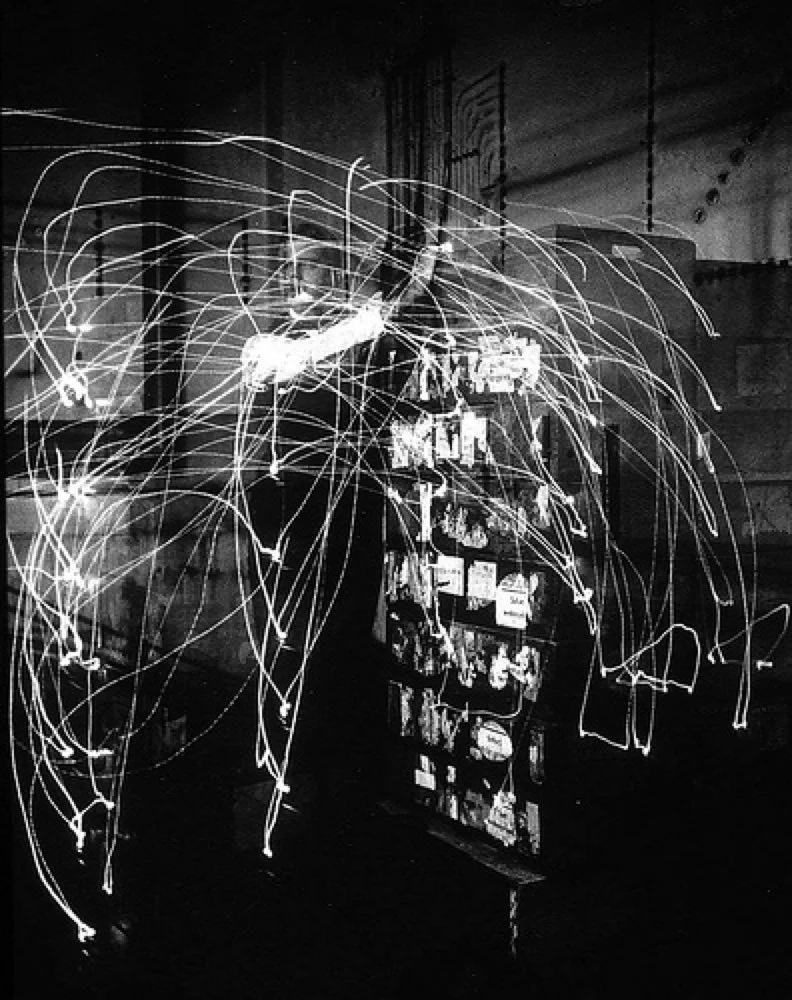
The results of the GE study helped establish proper heights for stoves, sinks, and counters — ergonomic baselines manufacturers still reference today. She later expanded this work by consulting on the design of washing machines and refrigerators, influencing both appliance ergonomics and kitchen workflow.
Image Source: Jstor
project two: the kitchen practical
Brooklyn Borough Gas Company (1929)
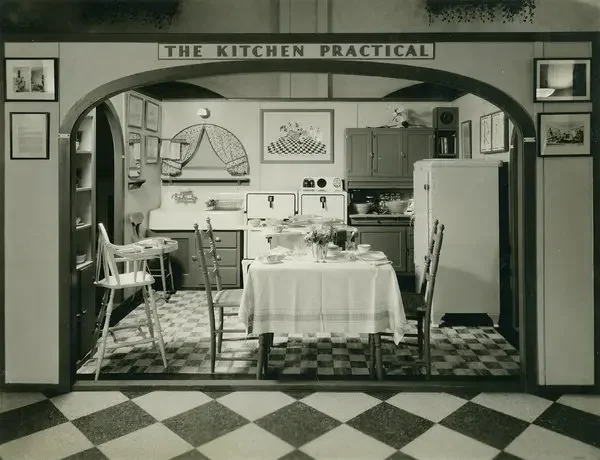
Image Source: The New York Times
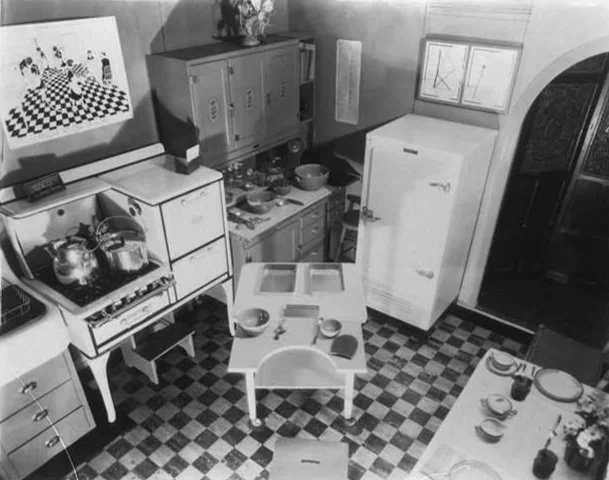
The Kitchen Practical, developed with the Brooklyn Borough Gas Company and unveiled in 1929 at a Women’s Exposition, showed what a kitchen could look like when shaped by evidence rather than habit.
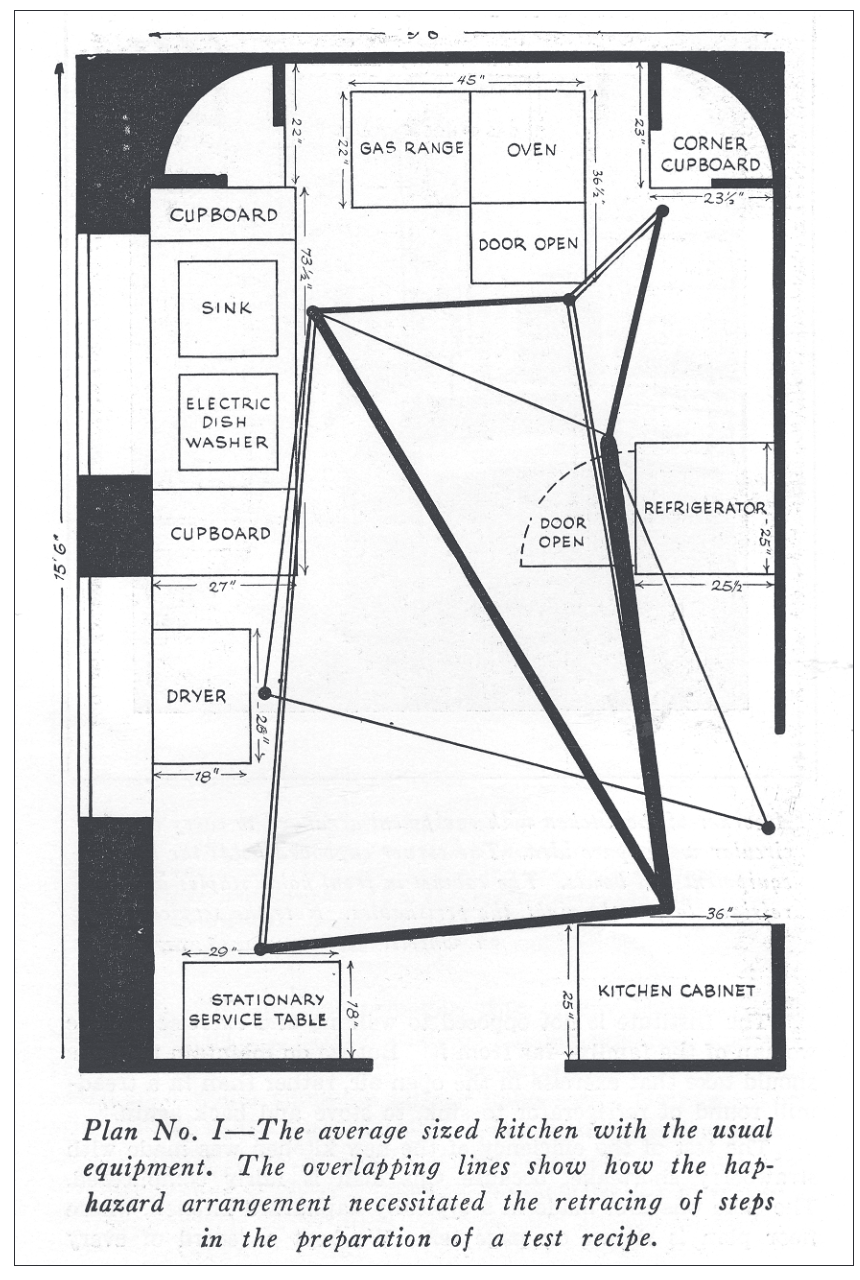
Most kitchens of the early 20th century were scattered: large rooms lined with mismatched storage and appliances wherever they could fit. Through intensive study, Gilbreth saw the waste in every unnecessary step. The Kitchen Practical replaced that scatter with a compact, task-based system centred on flow.
Image Source: The Gilbreth Network
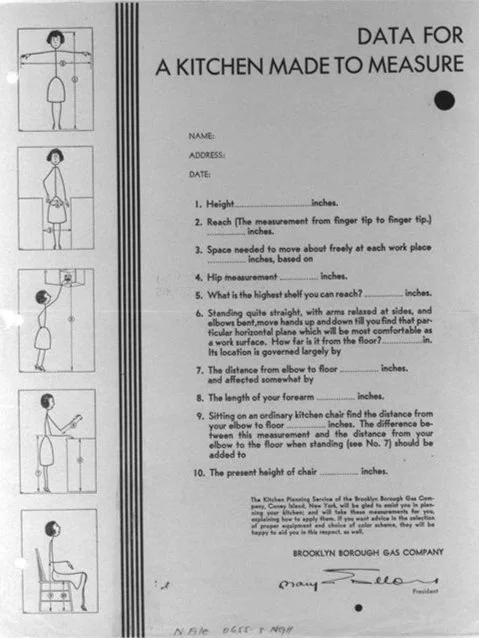
The Brooklyn Borough Gas Company had a vested interest in getting people interested in upgrading their kitchens - as upgrading your home to create a modern kitchen would also include adding a new gas stove. This research informed the modern day kitchen and is seen in homes around the world. Gilbreth’s concept included:
the stove and counter placed side by side
ingredients stored above, pans below
consideration for human ergonomics through studies of human dimensions (a questionnaire from the projects is shown in this image)
the refrigerator one step away
a rolling cart to extend the workspace - the beginnings of the kitchen island as we know it
Continuous workspaces and built in cabinetry- kitchens as we know them did not really exist prior to this research
Image Source: The Gilbreth Network
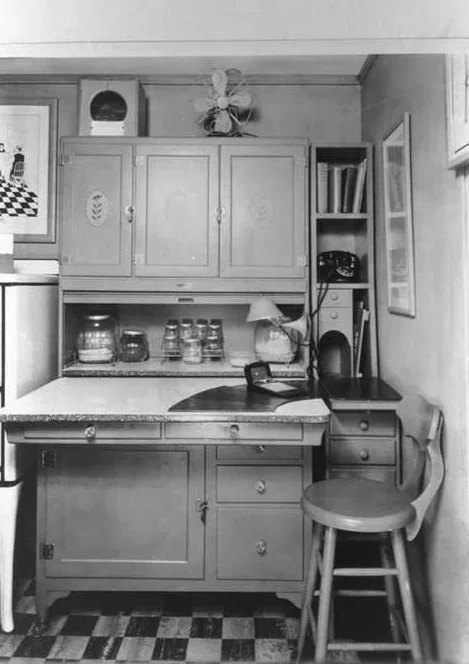
In a demonstration, a strawberry shortcake (the only thing Gilbreth could successfully cook) required 281 steps in a typical kitchen and just 45 in Gilbreth’s. This is important historically because it showed real practical steps in liberating women from their domestic tasks - by making them easier to carry out, as well as ergonomically more comfortable, they would have time for more leisurely or professional pursuits. Gilbreth’s interior design work truly paved the way for women to have more choice in their lives.
This kitchen workstation features a pullout desk, wheels for aid in cleaning below, and a pull down door for hiding spices and ingredients. Shelving for papers, a phone, and books acknowledged the labour required to run a home.
Image Source: The Gilbreth Network
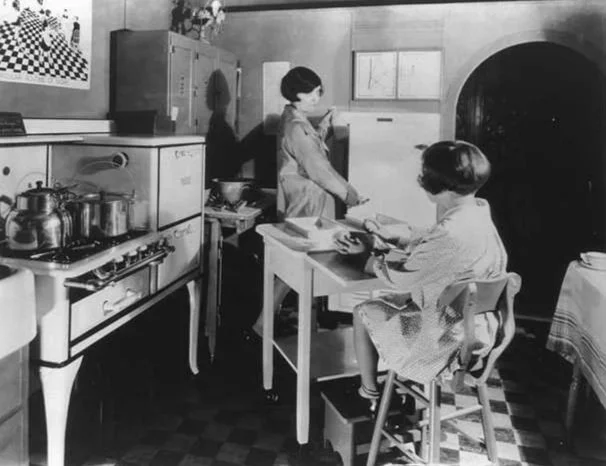
A work island on wheels creates a surface that can be altered to suit the ergonomics of the user. Earlier work designing tools and tasks for disabled veterans deeply informed this philosophy. She believed a kitchen should not exhaust, exclude, or diminish the person working in it.
Image Source: The Gilbreth Network
project three: the gilbreth management desk
Century of Progress International Exposition, Chicago, 1933
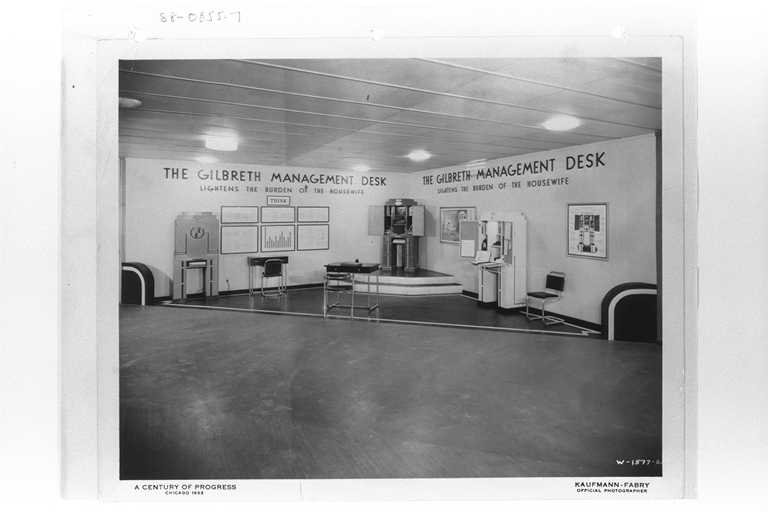
In 1933, Gilbreth unveiled the Gilbreth Management Desk at the Century of Progress Exhibition in Chicago, presented in collaboration with IBM.
The desk formalised the idea that domestic life involved real organisational labour. Its drawers for bills paid and due, cookbook shelf, telephone nook, built-in toolbox, and integrated radio created a unified command centre decades before the modern home office.
Image Source: The Gilbreth Network
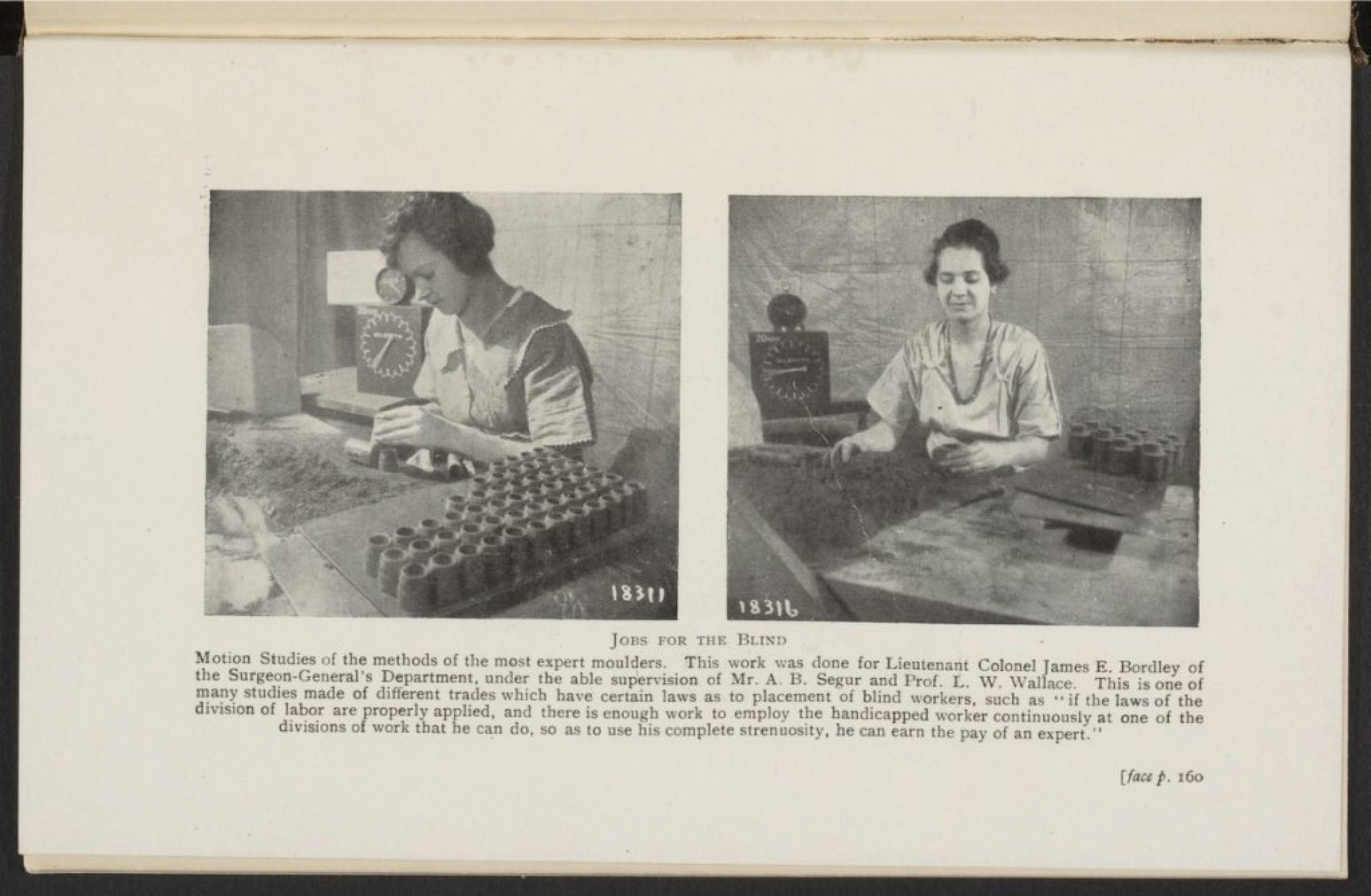
She later consulted for the NYU Institute of Rehabilitation Medicine on designing a kitchen for people with disabilities, and worked with the American Institute of Architects to incorporate wheelchair-accessible restrooms, ramps, and elevators into building standards — long before accessibility was codified. Motion studies on how to best provide work desk stations to people who were blind, missing limbs, or with other physical needs were highly progressive for the time. These findings are still seen in modern day disability legislation today.
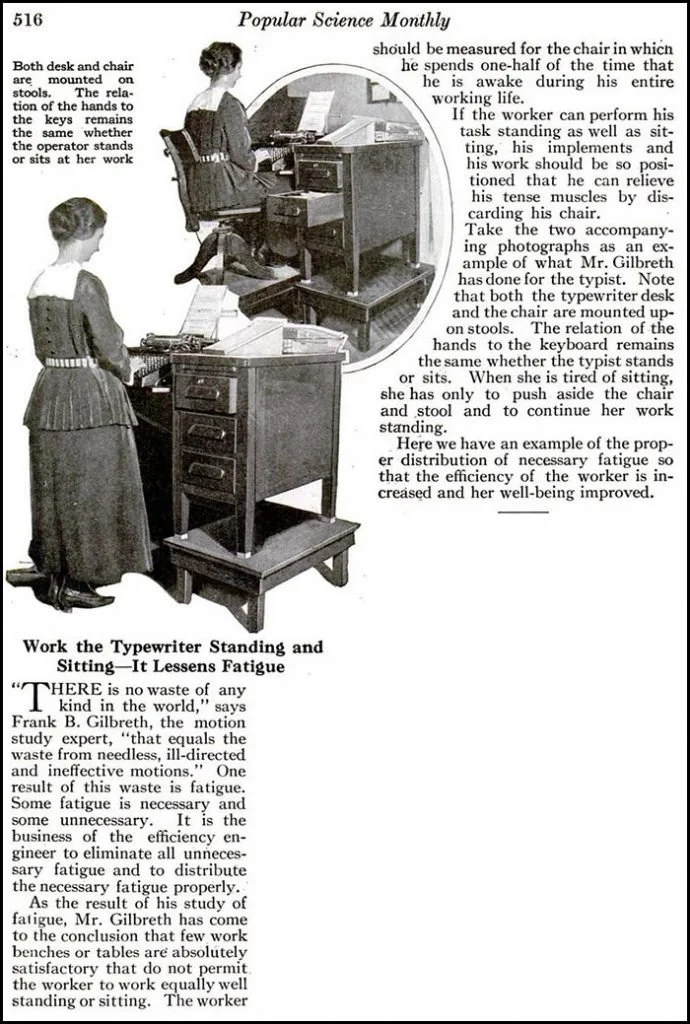
Her article in Popular Science Monthly shown, details a now seemingly modern concept for a standing desk. Her work was incredibly ahead of its time and very clearly still referenced today.
The Gilbreths applied motion-study principles to desk and workstation environments. They found that high contrast in the work area increased fatigue — for example, the sharp contrast between white paper and a black typewriter. They recommended that Remington paint its typewriters white to reduce visual strain, and suggested that factory machinery and surrounding walls be painted in a single light colour, like gray, rather than the easier-to-maintain black surfaces common at the time. This was one of the earliest recognitions that the psychology of colour and contrast directly affects efficiency and human comfort.
Image Source: The Gilbreth Bunker
project four: america’s little house
Better Homes in America, nyc, 1934
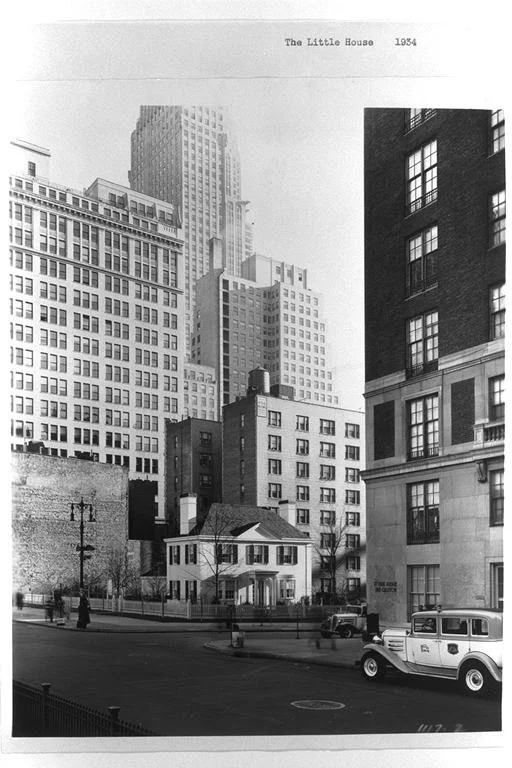
In 1934, Better Homes in America built America’s Little House, a model home placed in a highly visible Midtown Manhattan location on the corner of 39th Street and Park Avenue. It stood there for nearly a year, attracting daily crowds. The home wasn’t a showroom so much as an educational experiment, designed to demonstrate how standardized components, efficient layouts, and scientifically planned workflows could make home improvement easier and more affordable.
With an exterior designed by architects Roger Bullard and Clifford C. Wendehack, America's Little House gave New Yorkers a first-hand view of what the American dream of owning a home looked like. The home was a colonial revival, three-bedroom house with a garage, surrounded by a lawn and white picket fence. Events at the house received enormous coverage in the media, helping to push the message of home ownership, including a visit from First Lady Eleanor Roosevelt.
Better Homes in America assembled a team of specialists — architects, interior designers, landscape designers, and housekeeping experts — to create a set of universal domestic plans. Their aim was democratic: to prove that good home design didn’t have to be bespoke or expensive. Standardization, in their eyes, could widen access to comfort, efficiency, and modern living. The showcase was sponsored by banks and media companies.
Image Source: The Gilbreth Network
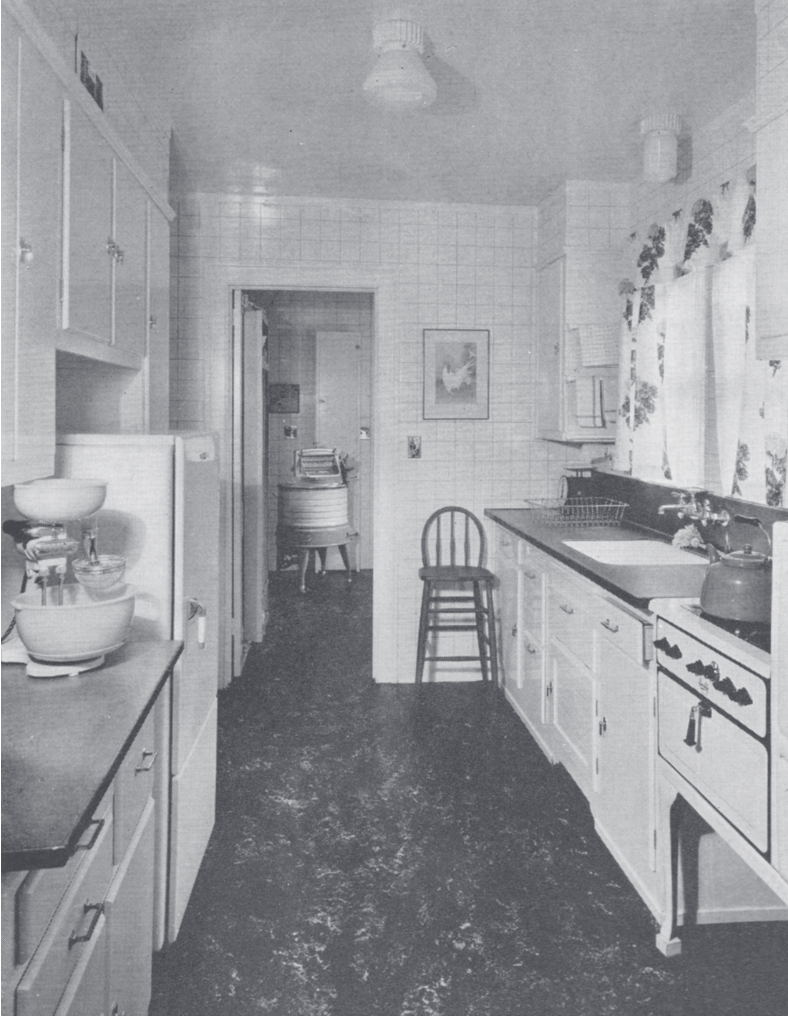
Gilbreth designed three rooms inside the house, with an emphasis on the effciency she was known for:
the kitchen
The "clothery" (a new combination of a laundry and sewing room)
the nursery
Each of these spaces became a small study in her long-standing interests: ergonomics, motion study, workflow design, and the psychology of everyday life. Her rooms illustrated how women’s daily chores — cooking, dressing, childcare — could be systematized to save time, reduce fatigue, and make domestic life more manageable.
Elizabeth Parker, the project's interior designer, helped to show how Americans could best utilize the space inside their homes through colour and furnishings. Parker worked with Emily Post, who is famously known for her work in etiquette and advice columns.
Image Source: Richard Averill Smith in America’s Little House, as taken from One Standardized House for All: America’s Little House, by Kristina Borrman
The project drew heavily from the same scientific-management traditions that informed Gilbreth’s factory work. Here, though, the goal wasn’t industrial output but making home improvement accessible to all. The model home challenged the idea that the best houses were highly individualized. Instead, it presented the possibility that thoughtful, well-planned standardization might offer comfort, dignity, and ease to more people. A total of 166,000 people visited the demonstration home during the twelve-month period when it was open to the public
An exact replica still stands of the famed “avatar of modern suburban life” was constructed at 1125 Sasco Hill Road in Fairfield, Connneticuit, not far from the original - after the exposition, one could buy plans from Better Homes and create their own. The current value might say something about what access to an “average” American home might mean today! It can be seen here.
Image Source: "Plan No. I," by Lillian Gilbreth, in "New York Herald Tribune Institute, Presents Four Model Kitchens," October 1930, as taken from One Standardized House for All: America’s Little House, by Kristina Borrman
Lillian Gilbreth’s influence runs through countless contemporary interiors. The height of a countertop, the logic of a kitchen layout, the belief that comfort matters in every workspace. These ideas stem from her view that design should remove strain from daily life rather than add to it.
She became the first woman to receive the Hoover Medal for engineering service, advised presidents, shaped rehabilitation design for disabled veterans, and helped define industrial engineering as a discipline.
Her work reminds us that design is always about people. How they move, how they work, how they live, and what they need.
Lillian Gilbreth did not just analyse motion. She elevated the everyday.
Text Sources:
As I Remember: An Autobiography by Lillian Gilbreth, Publisher. Inst of Industrial Engineers ; Publication date. 1 May 1998
One Standardized House for All: America’s Little House, by Kristina Borrman