
How To Open a Boutique Hotel: Abby Doyle from Buffalo Lodge
How They Built It is a series of conversations with retail founders, restaurateurs, hoteliers, and business owners about what it really takes to open a physical space—and how interior design shapes that transition from idea to real life. In this month’s post, we talk to Buffalo Lodge owner Abby Doyle.
Running a boutique lodge is equal parts romance and responsibility.
When Abby Doyle and her partner Eli Kliejunas took over the slightly worn Buffalo Lodge BnB in Coromandel, Aotearoa New Zealand, the ambition was clear: bring it confidently into the 2020s. What followed was the real work. Developing a master plan, refining the guest experience, and making considered design decisions that balanced atmosphere with practicality.
In this conversation, we explore what it means to evolve an existing lodge into something that speaks to a new, design-literate audience — and how thoughtful interiors can elevate a good property into a destination.
You can book a stay at Buffalo Lodge at buffalolodge.co.nz.
Photography by Erin Cave
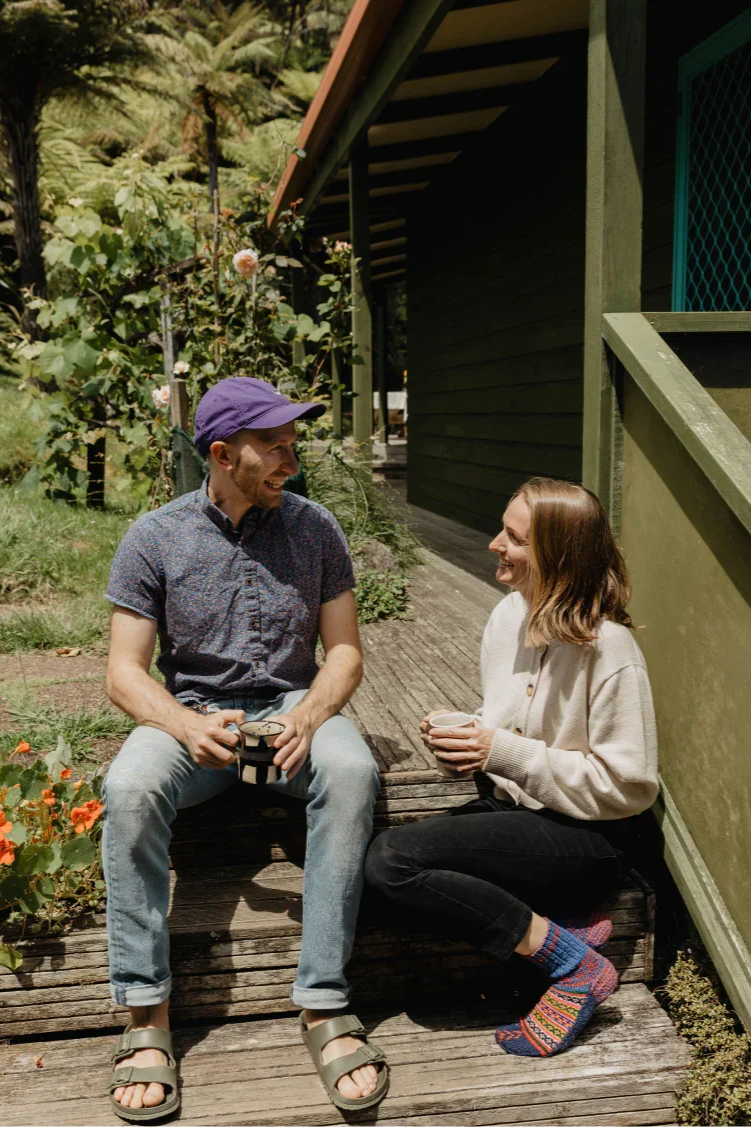
Pictured: Abby and partner Eli, co-owners of Buffalo Lodge
Vision & Readiness
What lead you to Buffalo Lodge? Did you have a background in hospitality or was the property the catalyst?
The property was entirely the catalyst. We didn’t come from hospitality, we were simply ready for something substantial, something we could build and shape with intent. When we found the lodge, it felt like we had endless ideas of how it could continue to evolve over time. We stepped into it knowing we’d have to learn quickly, and with the hope to build the hospitality knowledge around the property rather than the other way around.
Looking back, is there one thing you’d absolutely invest in or seek expert advice on earlier?
I would invest earlier in a complete master plan, design, business model, landscaping, the whole picture. Budget-wise, it often makes sense to implement things gradually, but without a cohesive overview from the start, you end up making piecemeal decisions that don’t quite speak to each other. You can absolutely stage the execution, but the vision needs to be whole. Otherwise the space feels disjointed, and that lack of congruence is surprisingly expensive to undo later.
What do you wish someone had told you before you took over an existing accommodation property?
I think this is true for any business, but certainly was my experience. The romance is real, but so is the stewardship. If you love the rhythm of caring for something properly and investing continuous energy into it, you’ll thrive. If you’re looking for passive participation, I'd look elsewhere. Imagine equal parts creativity and practicality.
Making an Existing Lodge Your Own
What were the biggest knowledge gaps in transitioning into boutique accommodation ownership, and how did early consulting help you navigate those?
Mmmm, everything. We had a pretty clear vision and tons of dreams, but translating that into the day-to-day reality of occupancy rates, marketing strategy, systems and structures, was all entirely new. Not to mention we opened in the post covid era and only two weeks before cyclone Gabrielle, so we were humbled quickly by the challenges ahead. Early consulting gave us clarity around what we were actually hoping to build so the creativity had structure and we had some focus around our big dreams.
What surprised you about buying an existing lodge in New Zealand - anything other new operators should know?
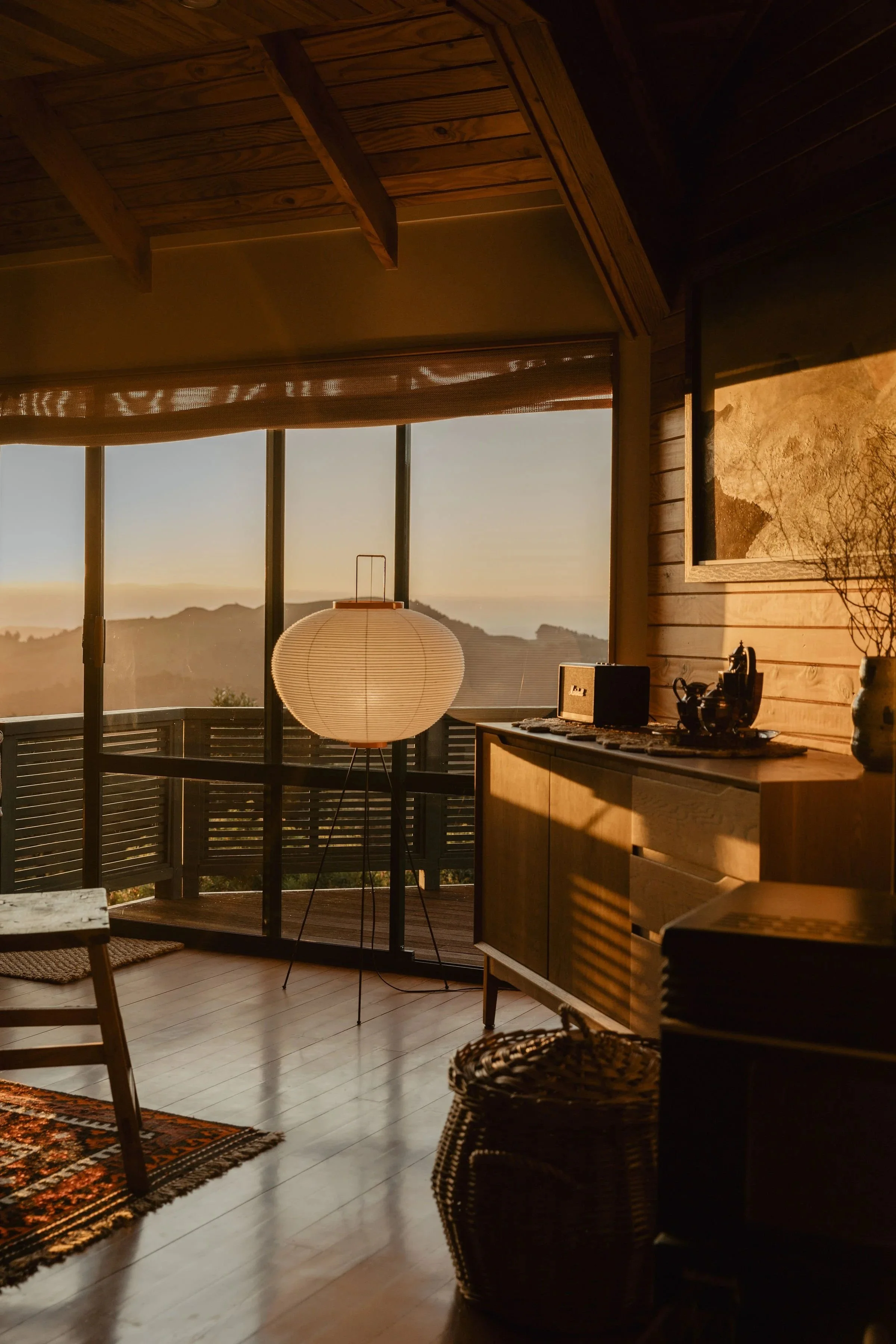
What surprised me most was how much the personality of the property itself shapes everything, from guest flow to staff routines to what feels “right” in the design. No matter how much you plan on paper, the building, the land, even the light and the weather have a special way of guiding decisions if you allow yourself to listen. I would offer that listening to the space and adapting to it often matters more than trying to impose your ideas all at once.
When you first stepped in as the new owner, what were the priorities to make it guest-ready under your vision?
Oh goodness, it honestly felt like we started from zero. Very little was handed over, and we were quite different from the previous owner in most ways, so it became about shaping a vision that felt genuine to us. We also wanted to broaden who the lodge spoke to. While we’ve always loved hosting retired international travellers, we were intentional about creating an experience that resonated with a wider range of ages and encouraged more domestic guests to explore the Coromandel.
Design as Strategy
At what point did it become clear that elevating the design would help reposition Buffalo Lodge in the Coromandel market? Or did you always intend to renovate a property?
Buffalo Lodge feels unique as it is based on its vantage and the era and construction of the lodge. It has this funny mix I was really drawn to of feeling really approachable and not fancy, while still having the opportunity to be somewhat sophisticated. I liked the idea that people could take their shoes off and settle in like they would a family member's home, while also still buying a nice locally sourced bottle of wine or having an Allpress coffee and freshly baked croissant to start their day. Essentially the goodies of the city I missed, with the pleasure of being submersed in the nature of the Coromandel peninsula.
What made Studio Sio a good fit for you? How did you find us?
Studio Sio was a perfect fit because of Shanta, her detailed organisation, approachable style, and the way she really listened made the whole process feel effortless. She also really understood the goal and had such a wealth of knowledge and experience in breaking down making an idea into a reality. Her work with Hotel Chelsea was how we found her originally.
How did design choices support the type of guest you wanted to attract - and the experience you wanted them to have?
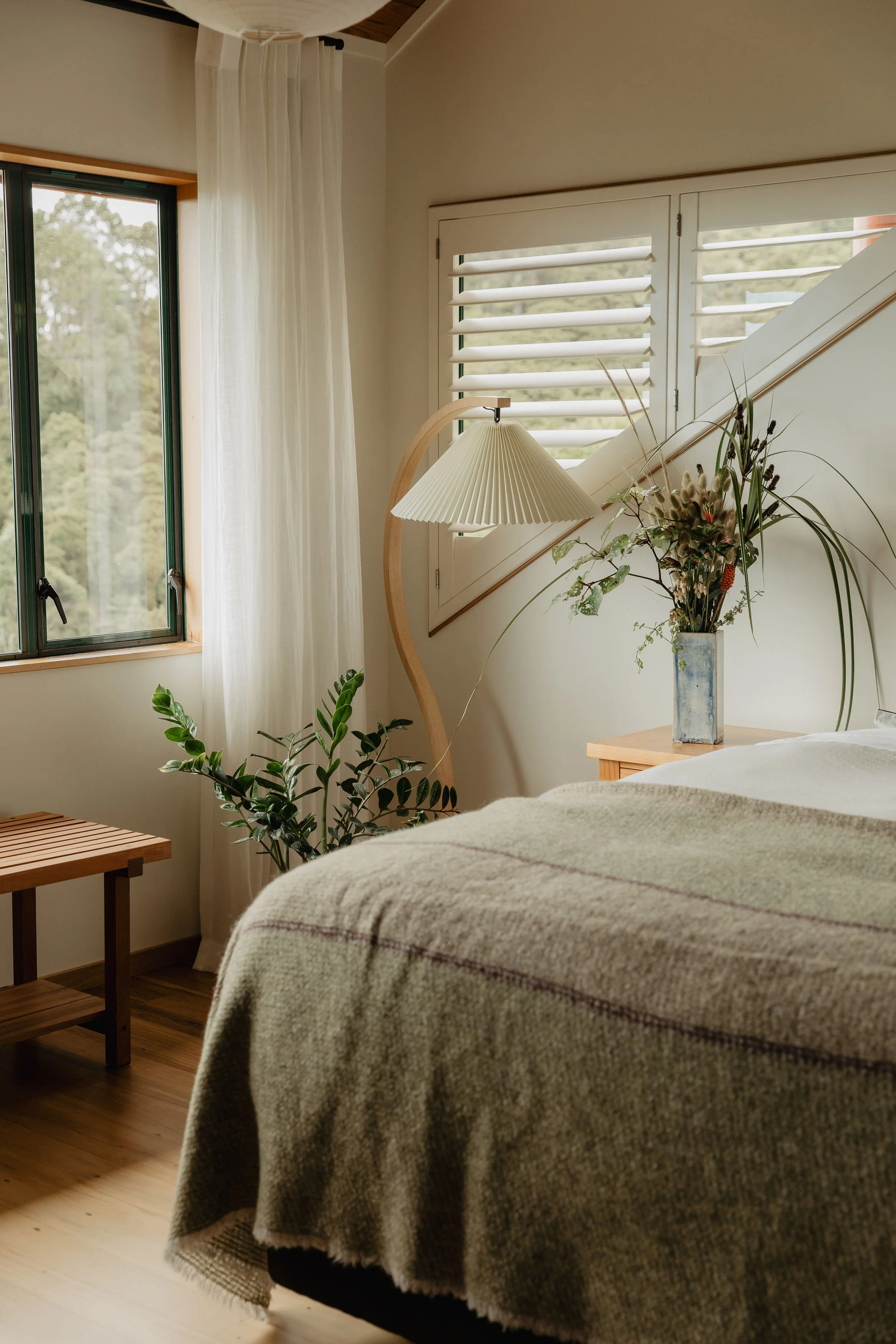
Our design choices were guided by how we wanted guests to feel rather than just how the space looked. We aimed for a balance of ease and intention. We wanted the details to add a calm, welcoming atmosphere with a touch of sophistication.
Design felt like tone-setting to me. We wanted to attract guests who appreciate considered spaces but don’t need them to feel untouchable, people who notice good lighting, natural materials, and thoughtful details, but also feel comfortable putting their feet up. So the choices were deliberate but not precious. The goal was to create an environment that feels calm and quietly confident, so the experience is less about the space and more about ease and the natural surroundings.
Daily Experience & Operations
How did you approach practical needs like durability, maintenance, and housekeeping efficiency when updating the interiors?
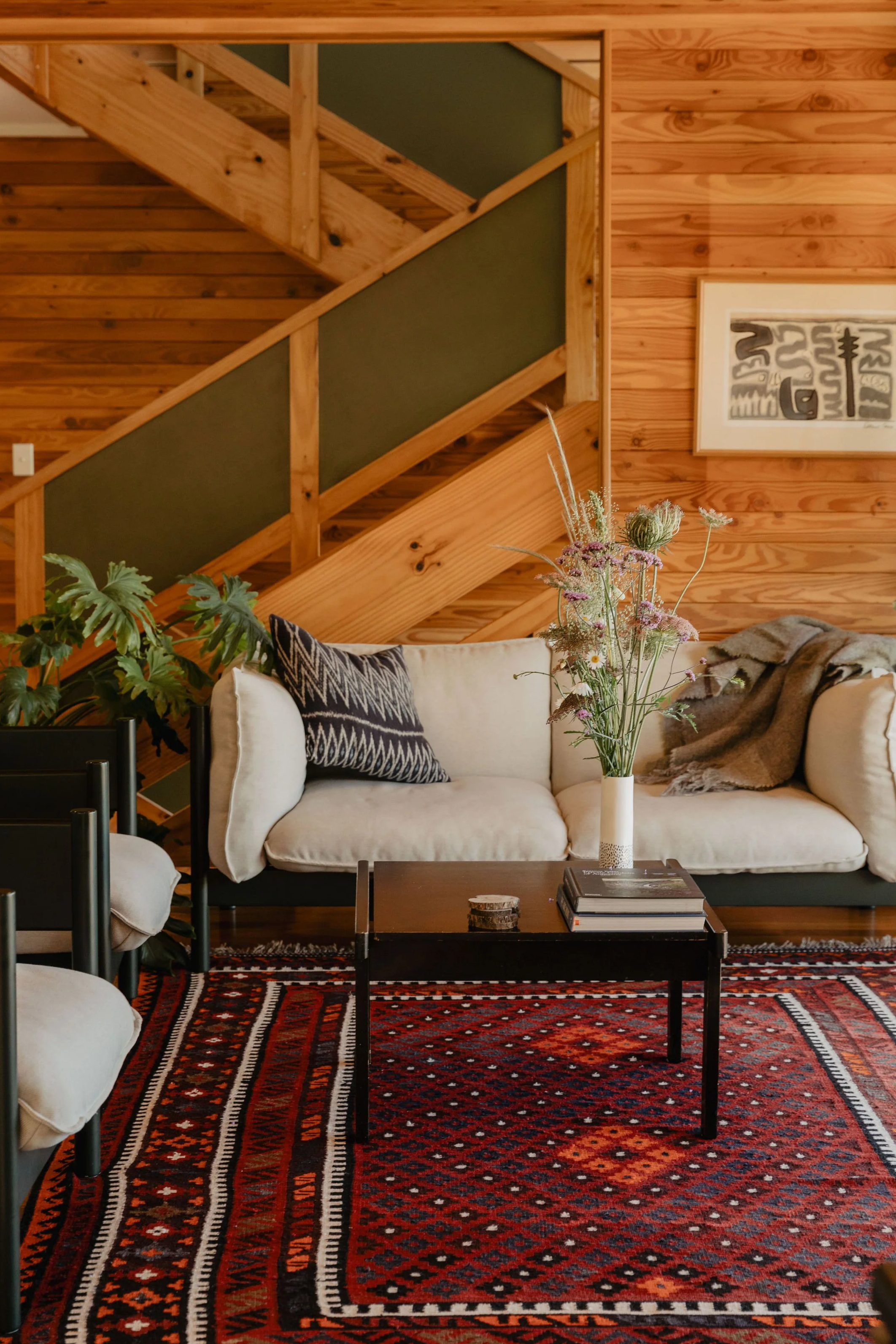
I think this is really going to come into phase two when we tackle five bathrooms! There was of course some consideration of this, but because we are an adults only space we really prioritized interiors we love, cream linen curtains, a light coloured Hay couch, which we may have stayed away from otherwise.
What have you learned about what guests really value during their stay - sometimes in ways that changed your design assumptions?
We’ve learned that guests value how a place makes them feel far more than any individual design feature. Early on, we really thought about the visual details, and while they matter, what guests comment on most is comfort, warmth, good lighting, privacy, and feeling genuinely looked after. It has shifted our focus from creating something that looks “impressive” to creating something deeply comfortable, which, in the end, is far more memorable.
How do you balance comfort and luxury with operational realities, especially in a boutique-sized lodge?
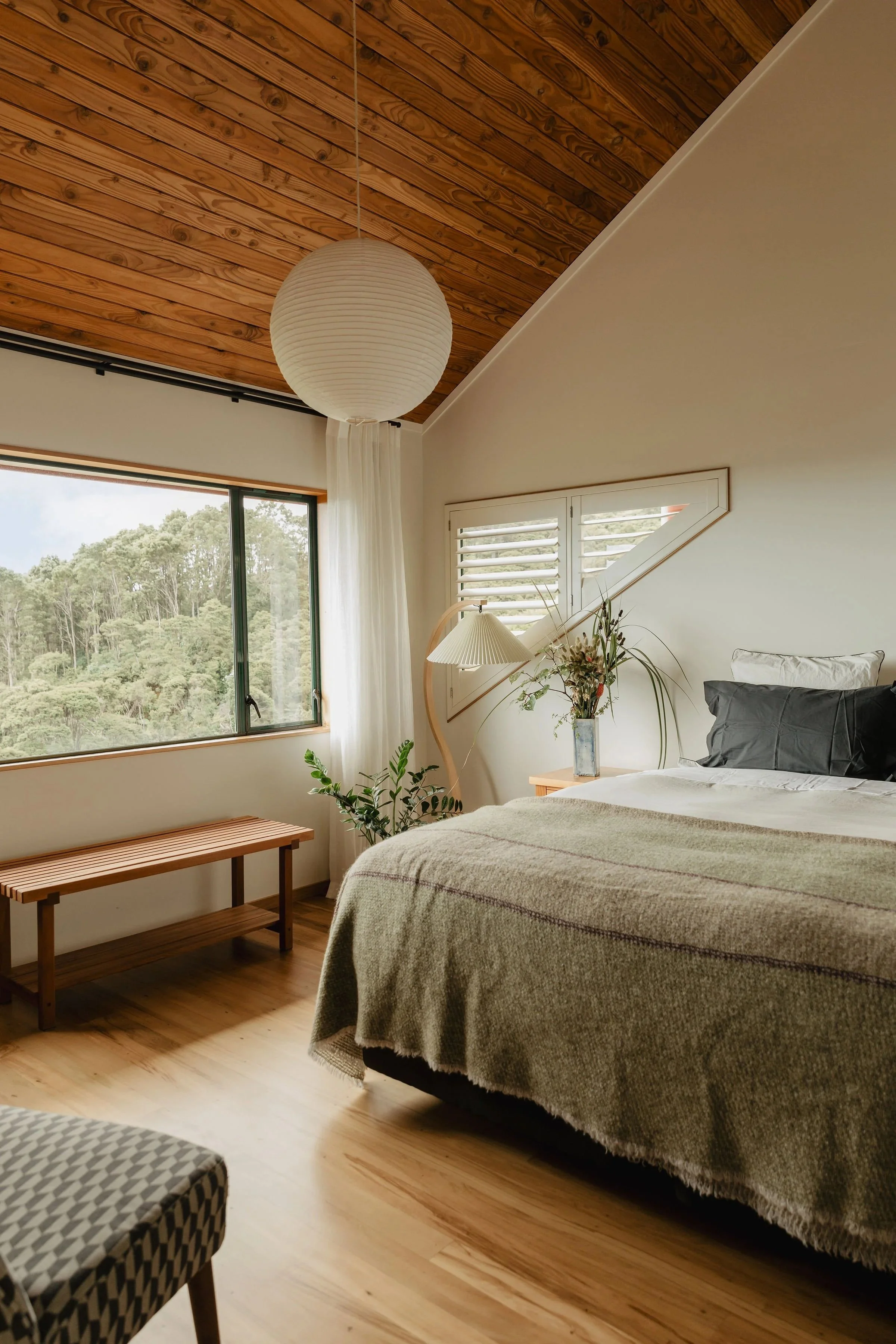
In a boutique lodge, every choice and offering has to earn its place. We have to have an eye on what’s practical to maintain and deliver consistently. I think it’s about layering quality and detail where it counts, plush bedding, natural materials, well-designed spaces, while keeping operations manageable behind the scenes. The hope is to make everything feel effortless for guests, even if it takes a bit of strategy and sweat to make it run smoothly.
Location, Authenticity & Sustainability
How does the Coromandel itself influence the lodge - from design palette to guest activities?
The Coromandel shapes everything at the lodge. The surrounding bush, beaches, and clay filled mountains guided our material choices and textures, while the landscape inspires the activities we highlight: walks, swims, the local pottery, and simply slowing down to take it all in. The environment is truly a part of the experience.
Did sustainability or local sourcing play a role in updating materials or furnishings?
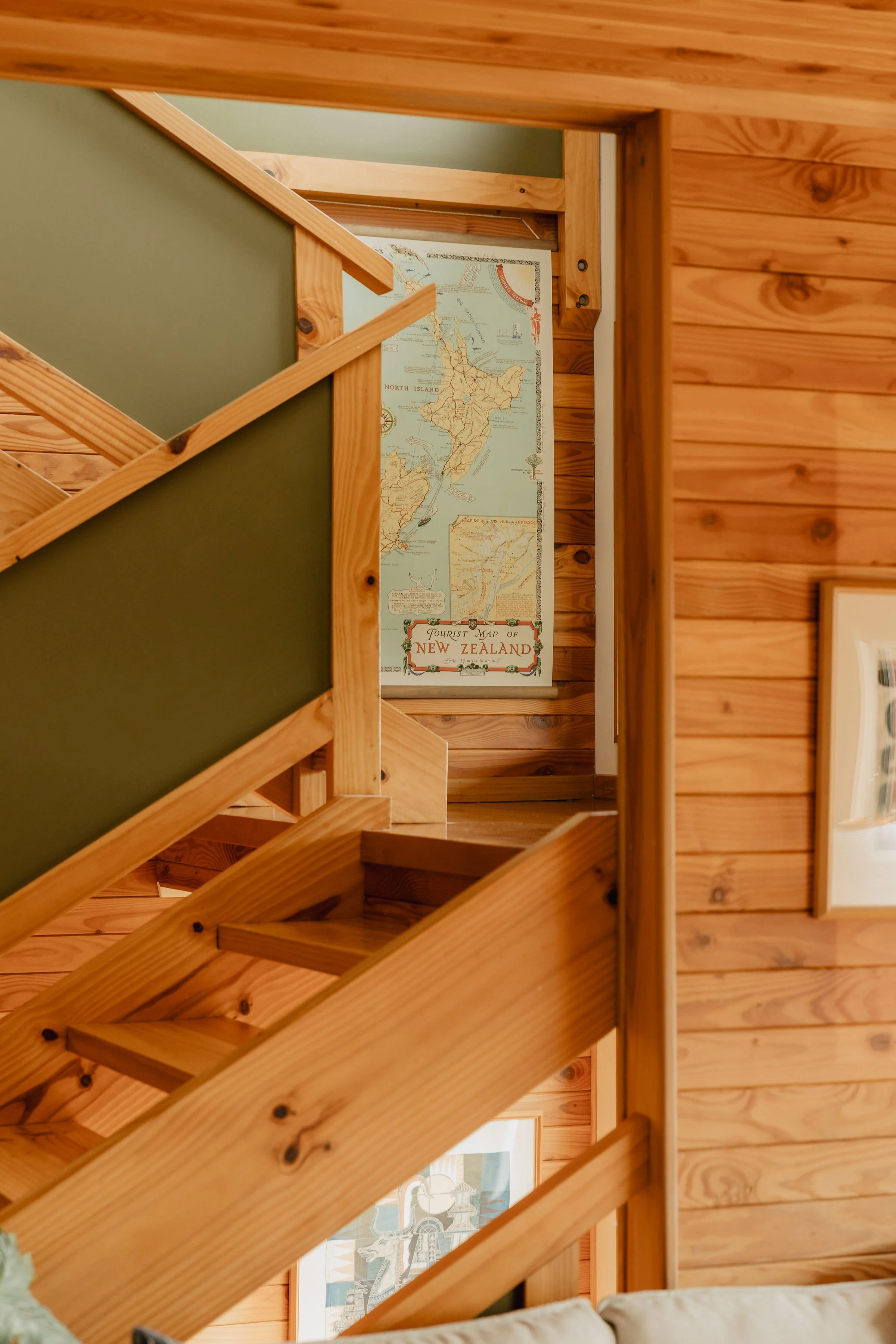
Absolutely, we’ve been gradually filling the lodge with local artists’ work, and our current renovations that we are working on focus on handmade or second-hand pieces. We would like to take a slow, considered approach that keeps the space authentic while supporting local makers.
after opening
How do you see Buffalo Lodge evolving - future upgrades, events, or seasonal offerings you’re excited about?
There’s a lot we’re dreaming up. We’d love for Buffalo Lodge to become even more of a destination, with spa-like retreats, walks on the land, and meals that are fully catered so guests can truly just arrive and relax. We’re also excited to host more events, retreats, weddings and elopements, to create memorable experiences that bring together fun opportunities to collaborate with local vendors.
What’s your vision for the lodge in the next few years as tourism in Aotearoa continues to shift?
As tourism in Aotearoa evolves, we want Buffalo Lodge to offer the opposite of the chaotic, always-on world outside. Our focus is on thoughtful, immersive stays: small-scale, high-quality, and deeply connected to the Coromandel. More opportunities to connect with the land, with each other, and with the natural beauty around us.