
Made By is a Studio Sio series profiling the craftspeople, makers, and artisans behind the objects that shape the spaces we design. Each conversation goes inside their creative practice: the materials, the process, what makes their objects great.
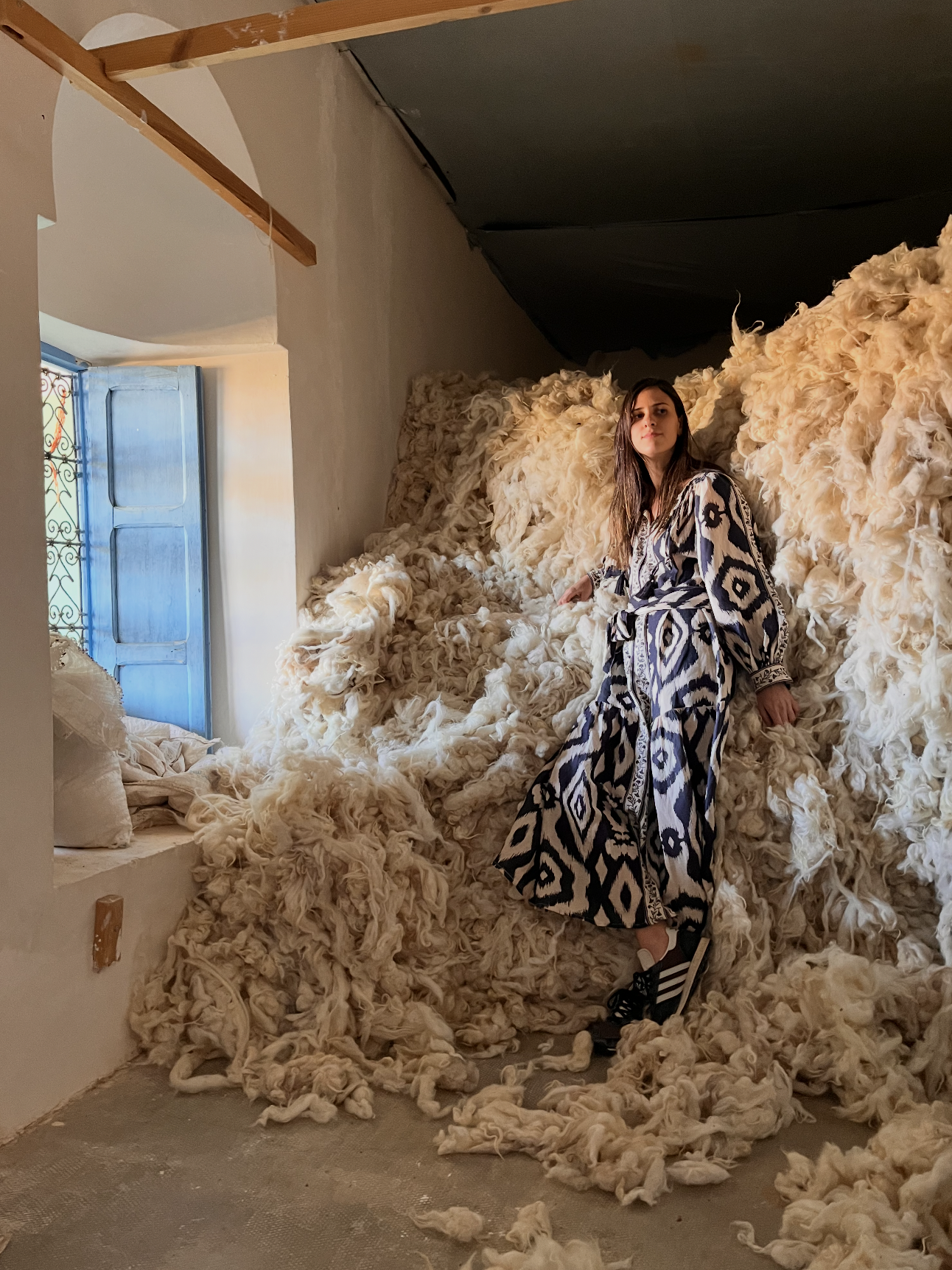
The first in this series is Nathalia Gregores, who came to rug design through a former career in fashion, teaching her how to balance a creative vision with the realities of making something physical. She spent time in India and Morocco with artisans before launching Soline Imera, her bespoke rug practice, and that hands-on grounding shows in the work: colour and pattern-forward, built to last, and in our opinion—insanely cool and unique rugs.
We asked her about her process, what makes a good rug, the difference between a custom rug and an off-the-shelf one, and how working with craftspeople informs her work.
You can see Nathalia’s work at Soline Imera at solineimera.com.
You have a background in fashion - talk me through how that led you to rug design.
Before I got into rug designing I had worked in the fashion industry my whole professional life, first designing and the final years in merchandising. I was not really happy with this career path and was considering a change. Although I enjoy numbers and data analysis, I missed having more creativity and visual research involved in my day-to-day life.
Lockdown happened and I started tufting, a contemporary technique used for making rugs. Little did I know that I would end up in a career where I am able to create heritage quality hand-knotted rugs brought to life by the most amazing skilled artisans.
I can only call it serendipity. It happened because I met Hector, an experienced rug designer who had just launched his own practice, Shame Studios, and I started working alongside him. That is where I learnt about the trade and had the privilege of developing rugs for some of the most talented interior designers in the UK, prior to starting my own rug company, Soline Imera.
Walk me through how a rug concept starts, what is your design process?
I divide a rug concept into two parts. The design, which is the artwork we develop, unless it is a plain rug. And the quality, which is the weaving technique and yarn combination.
When I am creating for myself, the process is very free and intuitive. I am constantly taking pictures out and about, collecting references of things that inspire me. I like to develop ideas without expecting them to be final or fully resolved from the start. It is the same with colour. I test a lot of combinations. Some feel right on their own, others need the right setting to work. Once I have built up enough designs and colourways, I edit them down to the ones I believe in most.
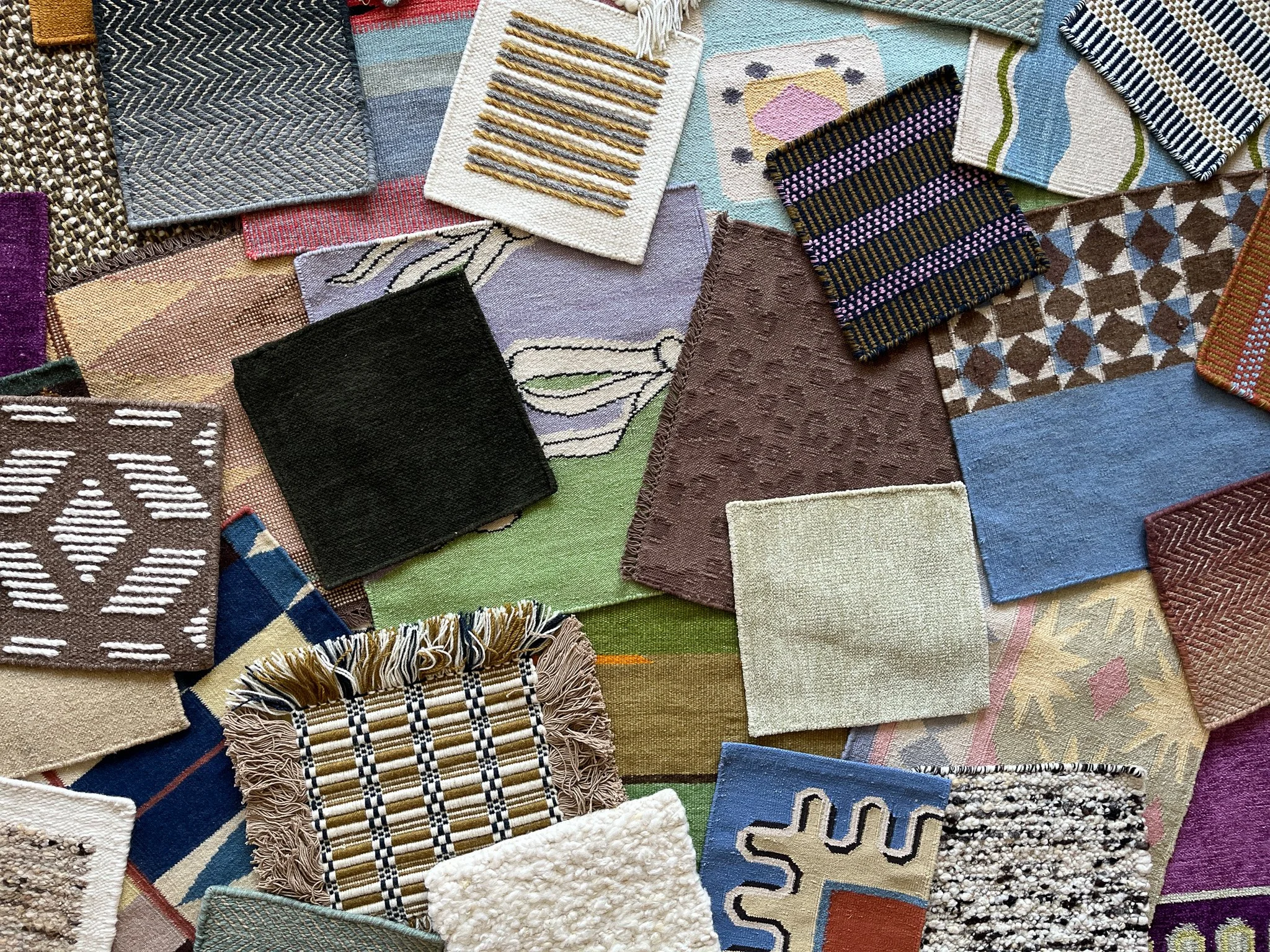
Then comes turning a design into a physical object. Many different qualities can suit the same design. In my own developments I focus on hand-knotted and kilim, because I love the idea of making a rug that can last for generations. Then knot count, yarn thickness, material, dyeing technique, each one is a choice, and each one changes the character the quality gives the design. Part of the work is judging how much knot density a design needs, and how many colours it takes for it to read well.
The process shifts when a project starts from a client brief rather than my own eye. I also enjoy working to a brief, with a theme, an inspiration and a colour palette to work from. The two halves, design and quality, are still how the concept develops. The difference is that with a client we also factor in the project budget and the intended use of the rug, and both help narrow down the qualities and materials.
People seem to find choosing colors really difficult. How do you decide on colour? Is it instinct or is there a logic to it?
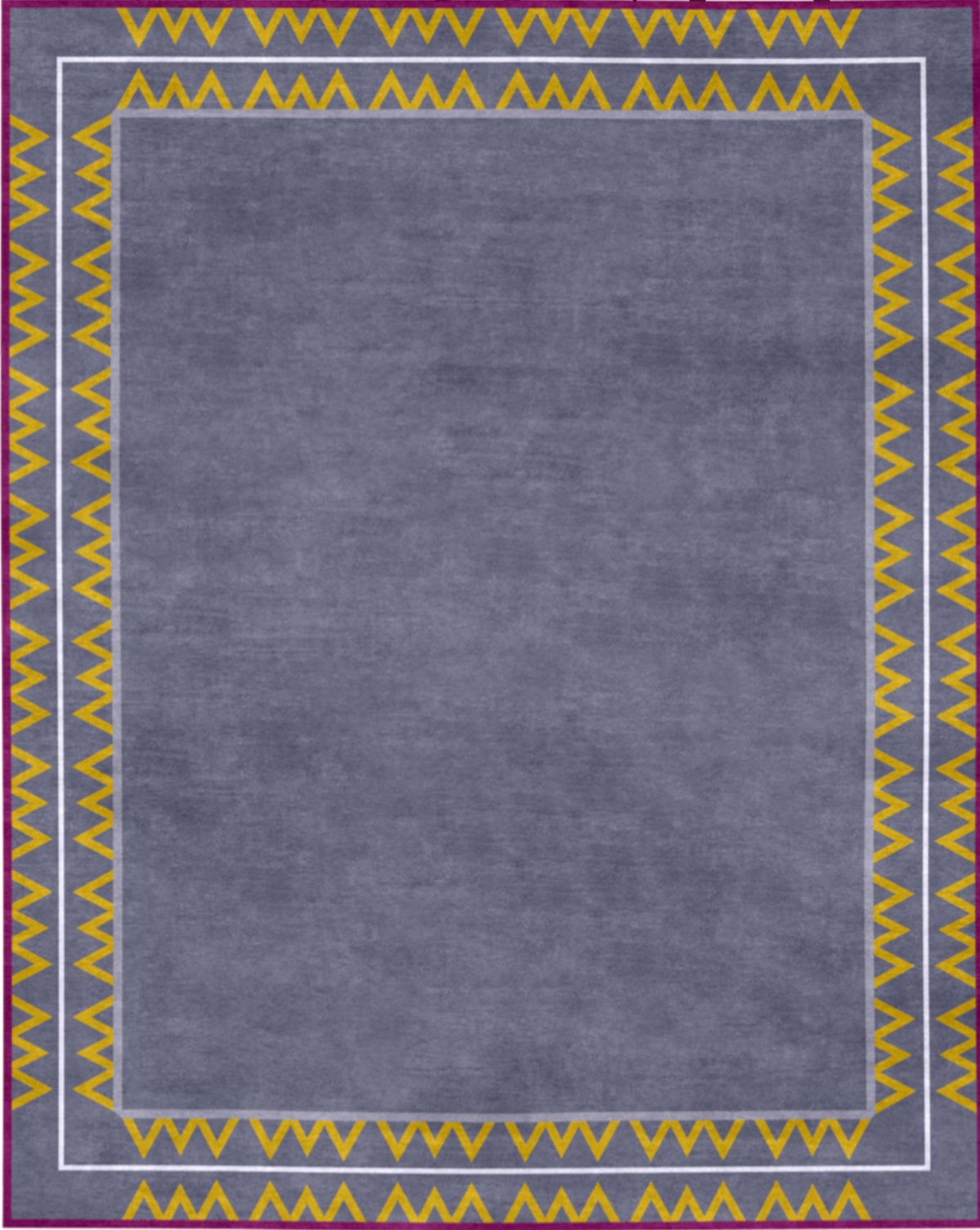
It is both, and the logic is what makes the instinct reliable. When I started working with rugs I had to be trained to choose colour for this medium specifically. A lot of it comes down to undertone, and to how a colour behaves next to the ones around it. Years of doing that turn the logic into something that feels like instinct, but there is method underneath it.
I think the colours I work with tend to reflect the interior design world I work in as much as the medium itself. Each designer has their own eye and their own methodology, and I like it when they lead, because they are the ones with the vision of the whole room, the light and the finishes I will never see.
My advice to anyone choosing colours is to start from one of two places. An artwork you love and will live with, and draw the rest of the colours from it. Or the rug, usually the largest piece in the room, choose a design and a colourway that holds your attention, something you could live with across changing light, and build the room around it.
Either way, the choice should come from a place of joy.
You work with artisans in India. What does that relationship actually look like? How much of the final piece comes from you, and how much comes from the hands making it?
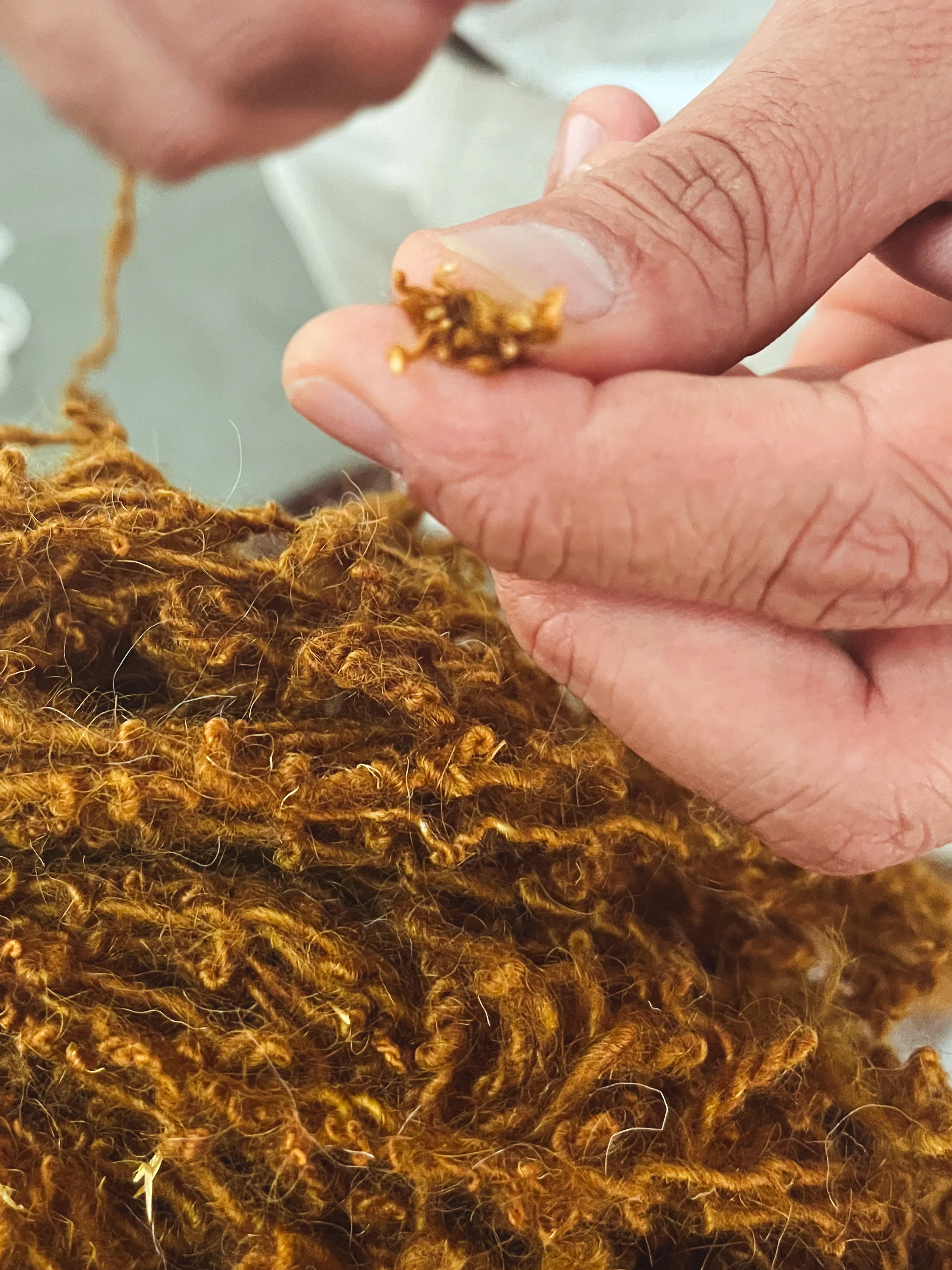
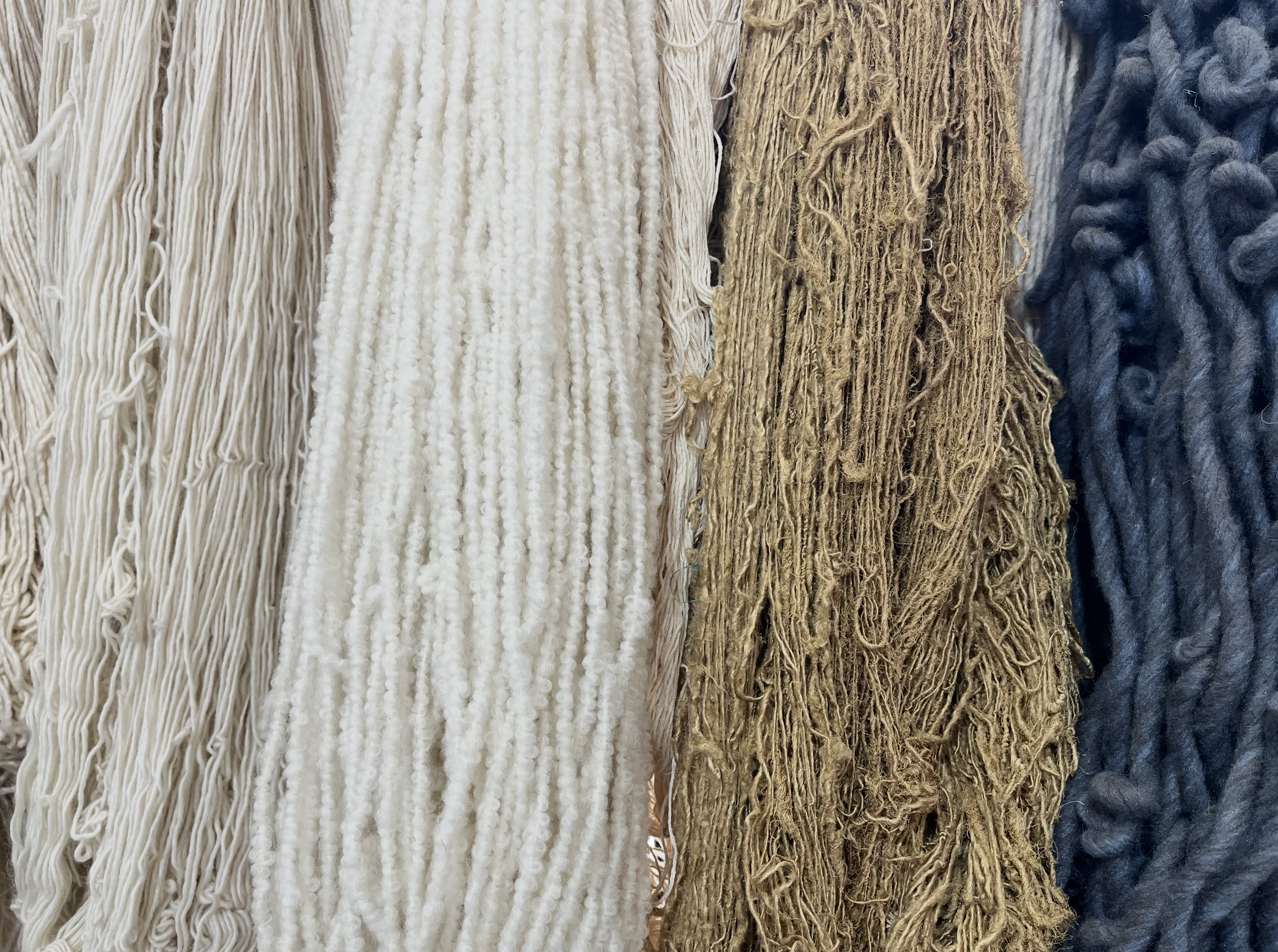
Most of the instruction comes from the studio. The material, whether it is mill spun or hand spun, the thickness and the number of plies, the colours, the dyeing effect, the design and the finishing. The artisans redraw the design at the correct knot count, and once we approve it they print the map for the weavers. The atelier sources the material, the yarn is dyed and then prepared by the women. They set up the loom, lay the warps, and the weaving begins. After washing, stretching and finishing the sides and edges, we evaluate the rug and decide whether anything needs adjusting, the pile height, the carving, the wash.
But it is not the case that everything comes from the studio and the atelier only executes. We don't always specify every single detail, and the gaps are filled by the people making the rug. Sometimes it is a yarn decision that is more precise than mine. The dyer brings their own read on the effect we are after. We might not have specified the warp material, or the warp and weft colours, and those choices are theirs. That is the nature of hand-knotted work. It is made by people with real skill and judgment, and the piece carries their hands as much as our design.
What's the first thing you ask a client —or a designer—when a new custom commission comes in?
The first thing I want to understand is what they are trying to achieve, the design they have in mind and what they need the rug to do in the space. Once I have that, the practical questions help me narrow things down. Their lead time and budget, whether they are looking for a flatweave or a pile rug, where the rug will live and how it will be used, and any concerns around durability, sustainability or maintenance. All of that lets me guide them toward the qualities that will suit what they are after.
How does working with an interior designer for a custom piece change the possibilities for the end client?
It changes what is possible quite a lot. An interior designer holds the whole room, the architecture, the furnishings, the lighting, the atmosphere they are building toward. So the rug can be designed into that from the start, as a considered part of the scheme, rather than chosen afterwards to fit around everything else. A designer is also fluent in construction and knows how to brief, so we can push the customisation further with confidence. For the client, it means the rug is considered and belongs perfectly in that space.
What do you wish all of your clients—end clients or interior designers—knew about rugs?
It is less about what I wish they knew and more about what I wish they felt. When someone commissions a hand-made rug, especially a custom one, they set a whole chain of people to work, the shepherd, the spinners, the dyers, the weavers, all the hands the piece passes through. And a rug like this outlives the moment it was made for. I like to think about where it might be in ten, twenty, fifty, a hundred years.
That is also why the material matters to me. A rug only lasts that long if it is made to, hand-knotted or kilim, in a durable natural fibre. Wool above all. I wish people were more wary of viscose sold as silk, under names like art silk or bamboo silk, because it does not wear well and it is not what it claims to be. Choosing well at the start is what lets a rug have that long life, and touch all those lives, the ones that made it and the ones that will live with it.
What are you looking at right now that influences what comes next?
With the summer slowdown across Europe, this is the time the studio turns inward and focuses on design and quality development. Right now I am developing a Mediterranean direction, working with natural plant fibres and focusing on weave and texture, which suits the setting. Alongside that I am drawn to more abstract work, to florals, and to designs in one or two colours.